


- Afhalen na 1 uur in een winkel met voorraad
- Gratis thuislevering in België vanaf € 30
- Ruim aanbod met 7 miljoen producten
- Afhalen na 1 uur in een winkel met voorraad
- Gratis thuislevering in België vanaf € 30
- Ruim aanbod met 7 miljoen producten





€ 16,95
+ 33 punten
Omschrijving
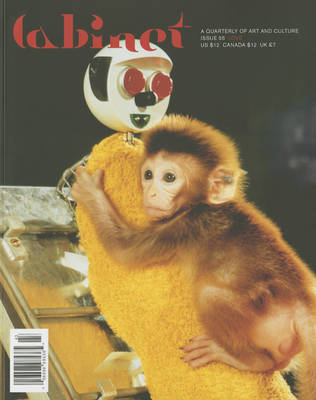
Love was classically thought to come in four distinct varieties--agape (spiritual love), eros (physical passion), philia (friendship) and storge (familial affection). It might be argued that with modernity, one of these--eros--has come to dominate our landscape, where romance and its obstacles inform so many of our cultural narratives and consumer fantasies. Nonetheless, all of these modalities of love continue to structure the relationships that govern human societies. Cabinet issue 55, with a special section on "Love," features Christopher Turner on the "celestial bed" of eighteenth-century proto-sexologist James Graham; Margaret Gordon on epistolary friendships; and Olga Lemerova on the love between humans and their pets. Elsewhere in the issue: Sasha Archibald on the decorative fabric or leather patches worn in the seventeenth century to conceal facial blemishes; D. Graham Burnett on watermarks; and Babak Sadr on how zoos perform annual inventories of their animals, both countable and uncountable.
Specificaties
Betrokkenen
- Auteur(s):
- Uitgeverij:
Inhoud
- Aantal bladzijden:
- 112
- Taal:
- Engels
Eigenschappen
- Productcode (EAN):
- 9781932698633
- Verschijningsdatum:
- 24/03/2015
- Uitvoering:
- Paperback
- Formaat:
- Trade paperback (VS)
- Afmetingen:
- 198 mm x 246 mm
- Gewicht:
- 385 g


Alleen bij Standaard Boekhandel
+ 33 punten op je klantenkaart van Standaard Boekhandel
Cadeau

AANGERADEN


Beoordelingen
We publiceren alleen reviews die voldoen aan de voorwaarden voor reviews. Bekijk onze voorwaarden voor reviews.