


- Afhalen na 1 uur in een winkel met voorraad
- Gratis thuislevering in België vanaf € 30
- Ruim aanbod met 7 miljoen producten
- Afhalen na 1 uur in een winkel met voorraad
- Gratis thuislevering in België vanaf € 30
- Ruim aanbod met 7 miljoen producten





€ 16,95
+ 33 punten
Omschrijving
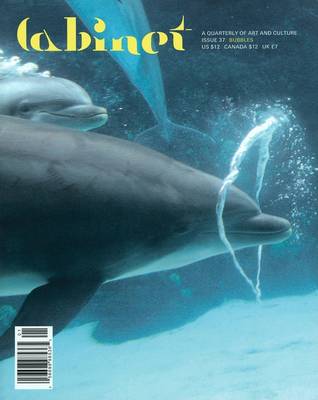
A child's plaything and an object of study for scientists; a space of protection but also of isolation: the "bubble" has a cultural significance far more substantial than its fleeting form suggests. Bubbles percolate through the hydrology studies of Leonardo da Vinci, the optical experiments of Newton and the architectural theories of Buckminster Fuller. Cabinet issue 37, with its special section on "Bubbles," features an interview with Richard Julin, the world's foremost authority on champagne; Susan Schuppli on Michael Jackson's orphaned chimpanzee Bubbles; Eben Klemm on the culinary applications of fizz; and Simon Schaffer on rationality and the physics of bubbles. Elsewhere in the issue: Paul Maliszewski on the color green; an interview with "nasalnaut" George Aldrich, the NASA employee whose nose has to approve every item sent into space; Adam Jasper on the cat paintings of schizophrenic artist Louis Wain; Jocko Weyland on the history of U.S. highway dividers; and an interview with Catalin Avramescu on the intellectual history of cannibalism.
Specificaties
Betrokkenen
- Auteur(s):
- Uitgeverij:
Inhoud
- Aantal bladzijden:
- 112
- Taal:
- Engels
Eigenschappen
- Productcode (EAN):
- 9781932698350
- Verschijningsdatum:
- 31/05/2010
- Uitvoering:
- Paperback
- Formaat:
- Trade paperback (VS)
- Afmetingen:
- 198 mm x 249 mm
- Gewicht:
- 430 g


Alleen bij Standaard Boekhandel
+ 33 punten op je klantenkaart van Standaard Boekhandel
Cadeau

AANGERADEN


Beoordelingen
We publiceren alleen reviews die voldoen aan de voorwaarden voor reviews. Bekijk onze voorwaarden voor reviews.