


- Afhalen na 1 uur in een winkel met voorraad
- Gratis thuislevering in België vanaf € 30
- Ruim aanbod met 7 miljoen producten
- Afhalen na 1 uur in een winkel met voorraad
- Gratis thuislevering in België vanaf € 30
- Ruim aanbod met 7 miljoen producten





€ 16,95
+ 33 punten
Omschrijving
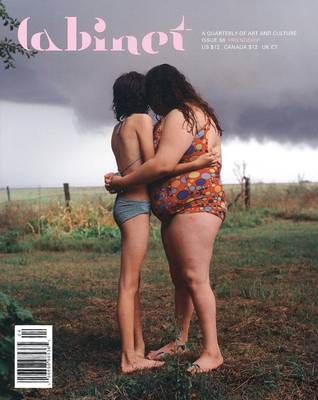
The nature of friendship has been a subject of inquiry from the beginnings of the western philosophical tradition. Socrates considers the question of philia in one of Plato's earliest dialogues, declaring that his "passion for friends" causes him to value them above even gold. Subsequent thinkers have continued the inquiry, yet friendship remains a phenomenon that "may well be reckoned," as Emerson wrote, "the masterpiece of nature." Cabinet issue 36, with its special section on friendship, features Svetlana Boym on Hannah Arendt's definition of friendship as freedom from "totalitarianism for two"; Ruben Gallo on Freud's school friend with whom he communicated mainly in Spanish; and Regine Basha on Sol Lewitt's exchange of gifts with other artists. Elsewhere in the issue: Paul La Farge on the color black; Kevin McCann on the life and work of schizophrenic author Louis Wolfson, the object of fascination for a generation of French intellectuals; Helen Polson on the fate of lost teeth; Bertell Ollman on his infamous board game Class Struggle; and an artist project by Zoe Bellof.
Specificaties
Betrokkenen
- Auteur(s):
- Uitgeverij:
Inhoud
- Aantal bladzijden:
- 112
- Taal:
- Engels
Eigenschappen
- Productcode (EAN):
- 9781932698343
- Verschijningsdatum:
- 30/04/2010
- Uitvoering:
- Paperback
- Formaat:
- Trade paperback (VS)
- Afmetingen:
- 198 mm x 246 mm
- Gewicht:
- 430 g


Alleen bij Standaard Boekhandel
+ 33 punten op je klantenkaart van Standaard Boekhandel
Cadeau

AANGERADEN


Beoordelingen
We publiceren alleen reviews die voldoen aan de voorwaarden voor reviews. Bekijk onze voorwaarden voor reviews.