


- Afhalen na 1 uur in een winkel met voorraad
- Gratis thuislevering in België vanaf € 30
- Ruim aanbod met 7 miljoen producten
- Afhalen na 1 uur in een winkel met voorraad
- Gratis thuislevering in België vanaf € 30
- Ruim aanbod met 7 miljoen producten





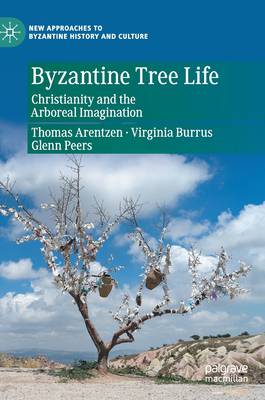
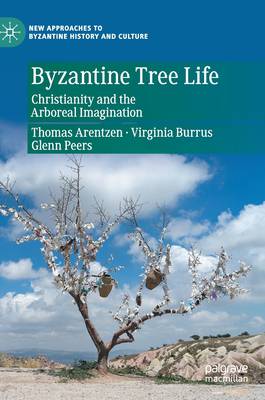
Byzantine Tree Life
Christianity and the Arboreal Imagination
Thomas Arentzen, Virginia Burrus, Glenn Peers
€ 140,95
+ 281 punten
Uitvoering
Omschrijving
This book examines the many ways Byzantines lived with their trees. It takes seriously theological and hagiographic tree engagement as expressions of that culture's deep involvement--and even fascination--with the arboreal. These pages tap into the current attention paid to plants in a wide range of scholarship, an attention that involves the philosophy of plant life as well as scientific discoveries of how communicative trees may be, and how they defend themselves. Considering writings on and images of trees from Late Antiquity and medieval Byzantium sympathetically, the book argues for an arboreal imagination at the root of human aspirations to know and draw close to the divine.
Specificaties
Betrokkenen
- Auteur(s):
- Uitgeverij:
Inhoud
- Aantal bladzijden:
- 190
- Taal:
- Engels
- Reeks:
Eigenschappen
- Productcode (EAN):
- 9783030759018
- Verschijningsdatum:
- 12/07/2021
- Uitvoering:
- Hardcover
- Formaat:
- Genaaid
- Afmetingen:
- 148 mm x 210 mm
- Gewicht:
- 403 g


Alleen bij Standaard Boekhandel
+ 281 punten op je klantenkaart van Standaard Boekhandel
Cadeau

AANGERADEN


Beoordelingen
We publiceren alleen reviews die voldoen aan de voorwaarden voor reviews. Bekijk onze voorwaarden voor reviews.