


- Afhalen na 1 uur in een winkel met voorraad
- Gratis thuislevering in België vanaf € 30
- Ruim aanbod met 7 miljoen producten
- Afhalen na 1 uur in een winkel met voorraad
- Gratis thuislevering in België vanaf € 30
- Ruim aanbod met 7 miljoen producten





€ 22,45
+ 44 punten
Eenvoudig bestellen
Veilig betalen


Gratis thuislevering vanaf € 30 (via bpost)
Gratis levering in je Standaard Boekhandel
Omschrijving
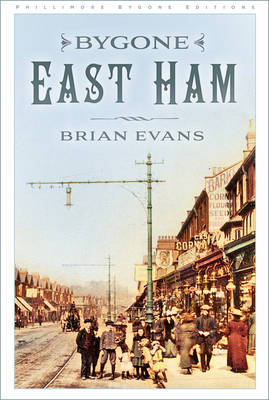
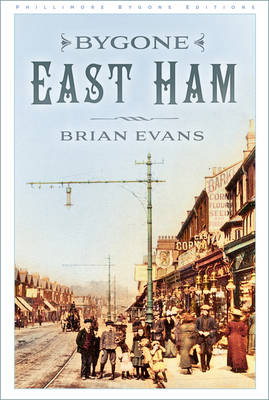
East Ham was sparsely inhabited in the fourteenth century and had not changed much with the advent of the railway in the 1850s. Farmers and market gardeners grew crops for the 'distant' London market, their houses scattered thinly from Wanstead flats in the north to just south of the turnpike road.
A phenomenal transformation came in the second half of the nineteenth century as the demands of Britain's growing industries and population led to the use of land for factories and, eventually, to a house-building boom. Fortunately, photos of these amazingly rapid changes have survived to add great impact to this narrative of East Ham's past.
Brian Evans captures the rise of East Ham from an area of fields and marshes to a county borough by 1914. Bygone East Ham will fascinate all who know the place whilst adding greatly to our understanding of the making of the present district.
Specificaties
Betrokkenen
- Auteur(s):
- Uitgeverij:
Inhoud
- Aantal bladzijden:
- 128
- Taal:
- Engels
- Reeks:
Eigenschappen
- Productcode (EAN):
- 9781803994765
- Verschijningsdatum:
- 7/09/2023
- Uitvoering:
- Paperback
- Formaat:
- Trade paperback (VS)
- Afmetingen:
- 156 mm x 234 mm
- Gewicht:
- 216 g


Alleen bij Standaard Boekhandel
+ 44 punten op je klantenkaart van Standaard Boekhandel
CADEAU

AANGERADEN


Beoordelingen
We publiceren alleen reviews die voldoen aan de voorwaarden voor reviews. Bekijk onze voorwaarden voor reviews.