



- Afhalen na 1 uur in een winkel met voorraad
- In januari gratis thuislevering in België
- Ruim aanbod met 7 miljoen producten
- Afhalen na 1 uur in een winkel met voorraad
- In januari gratis thuislevering in België
- Ruim aanbod met 7 miljoen producten





€ 32,48
+ 32 punten
Uitvoering
Omschrijving
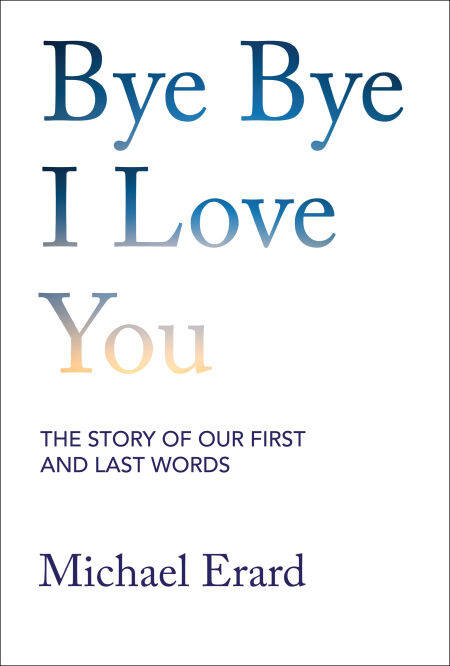
A beautiful and intimate exploration of first and last words—and the many facets of how language begins and ends—from a pioneering language writer.
With our earliest utterances, we announce ourselves—and are recognized—as persons ready for social life. With our final ones, we mark where others must release us to death’s embrace. In Bye Bye I Love You, linguist and author Michael Erard explores these phenomena, commonly called “first words” and “last words,” uncovering their cultural, historical, and biological entanglements and honoring their deep private significance. Erard draws from personal, historical, and anthropological sources to provide a sense of the breadth of beliefs and practices about these phenomena across eras, religions, and cultures around the world.
What do babies’ first words have in common? How do people really communicate at the end of life? In the first half of the book, Erard tells the story of first words in human development and evolution, and how the attention to children’s early language—a modern phenomenon—arose. In the second half, he provides a groundbreaking overview of language at the end of life and the cultural conventions that surround it. Throughout he reveals the many parallels and asymmetries between first and last words and asks whether we might be able to use a linguistic understanding of end of life to discover what we truly want.
With our earliest utterances, we announce ourselves—and are recognized—as persons ready for social life. With our final ones, we mark where others must release us to death’s embrace. In Bye Bye I Love You, linguist and author Michael Erard explores these phenomena, commonly called “first words” and “last words,” uncovering their cultural, historical, and biological entanglements and honoring their deep private significance. Erard draws from personal, historical, and anthropological sources to provide a sense of the breadth of beliefs and practices about these phenomena across eras, religions, and cultures around the world.
What do babies’ first words have in common? How do people really communicate at the end of life? In the first half of the book, Erard tells the story of first words in human development and evolution, and how the attention to children’s early language—a modern phenomenon—arose. In the second half, he provides a groundbreaking overview of language at the end of life and the cultural conventions that surround it. Throughout he reveals the many parallels and asymmetries between first and last words and asks whether we might be able to use a linguistic understanding of end of life to discover what we truly want.
Specificaties
Betrokkenen
- Auteur(s):
- Uitgeverij:
Inhoud
- Aantal bladzijden:
- 344
- Taal:
- Engels
Eigenschappen
- Productcode (EAN):
- 9780262381277
- Verschijningsdatum:
- 10/02/2025
- Uitvoering:
- E-book
- Beveiligd met:
- Adobe DRM
- Formaat:
- ePub


Alleen bij Standaard Boekhandel
+ 32 punten op je klantenkaart van Standaard Boekhandel
Cadeau

AANGERADEN


Beoordelingen
We publiceren alleen reviews die voldoen aan de voorwaarden voor reviews. Bekijk onze voorwaarden voor reviews.