


- Afhalen na 1 uur in een winkel met voorraad
- Gratis thuislevering in België vanaf € 30
- Ruim aanbod met 7 miljoen producten
- Afhalen na 1 uur in een winkel met voorraad
- Gratis thuislevering in België vanaf € 30
- Ruim aanbod met 7 miljoen producten




€ 42,40
+ 84 punten
Omschrijving
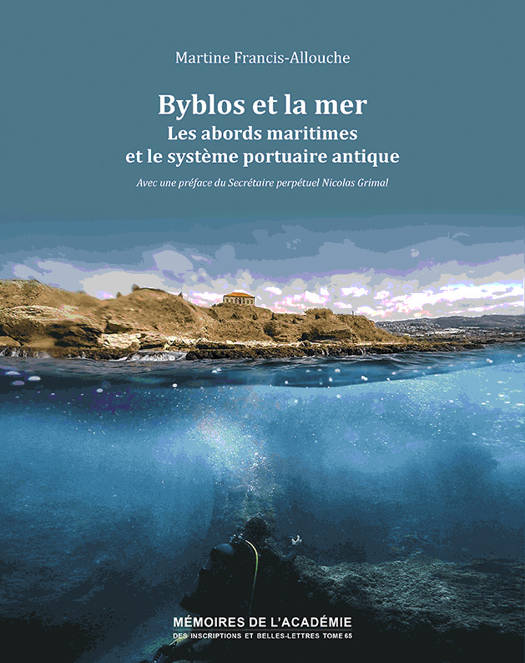
Byblos et la mer
Les abords maritimes et le système portuaire antique
L'importance de la ville de Byblos est mentionnée dans maintes sources iconographiques et textuelles, décrivant le commerce naval antique, l'exploitation des ressources forestières, leur exportation du Levant principalement vers l'Egypte ; elles attestent notamment l'existence d'une installation portuaire marchande à Byblos dès l'âge du Bronze.
Les investigations archéologiques entreprises à Byblos depuis le XIXe siècle étaient réservées à la fouille terrestre jusqu'en 1960, quand Honor Frost, pionnière de l'archéologie sous-marine en Méditerranée orientale, lança des travaux de prospection côtière et maritime afin de retrouver le port antique de la cité. Cette problématique fut reprise, en 2011, par un projet de recherche archéologique, Byblos et la mer. Douze opérations géoarchéologiques, et archéologiques, menées dans les secteurs marins et côtiers de Byblos ont apporté un nouvel éclairage sur la réalité du paysage portuaire de l'antique Byblos - première raison d'être de cette ville à vocation maritime. L'existence d'un bassin enseveli a été confirmée au piémont sud de l'acropole de Byblos, probablement l'une des plus anciennes installations portuaires de la Méditerranée orientale.
Many ancient texts attest to the maritime trade undertaken by Levantine coastal cities for millennia. Textual and iconographic evidence of this maritime activity for the prosperous port city of Byblos reveal the existence of a commercial harbor installation from which goods were traded and exchanged around the Mediterranean Sea, mainly depicting its timber trade with ancient Egypt.
Until recently, archaeological remains of a Bronze Age harbor facility had yet to be discovered, until the 1960s when pioneering figure in marine archaeology, Honor Frost, initiated an underwater survey program to locate the city's primary harbor. Since 2011, Frost's research program has been revived within the framework of Byblos et la mer. This multidisciplinary archaeological research project has conducted twelve field missions to shed new light on the maritime approaches to Byblos. Several on land and offshore remote-sensing surveys have conclusively identified and verified the presence of a silted-in harbor basin at the southern foothills of the city's acropolis, defining the overall harbor system of ancient Byblos - its first raison d'être.
ذكزت أهمية مدينة جبيل (بيبلوس) في العديد من النصوص القديمة والمصادر الإيقونوغرافية، التي تصنفى التجارة البحرية القديمة، واستغلال أخشاب الاشجار الصنوبرية كأشجارالأرز و الصنوبر، وتصديرها من لبنان الى حوض البحرالمتوسط وتحديدأ الى مصر، كما تشيرهذه. المراجع الى وجود ميناء تجاري قائم في جبيل
لقد اقتصرت التنقيبات الأثرية في جبيل منذ القرن التاسع عشر على الحفريات الأرضية، حتى عام 1960 عندما أطلقت عالمة الاثار البحرية في شرق المتوسط » هونور فروست » أعمال المسح الأثري بهدف العثور على الميناء القديم للمدينة. ثم طرحت هنه الإشكالية في عنم 2011 ، من خلال مشروع بحثي بعنوان» Byblos et la mer » تحت الإدارة المشتركة للدكتور نيكولاس جريمل والدكتورة مارش فركيرلموش وقد اسهم هذا المشروع الذي ئقد عبر اثني عشرعمل ميداني جيو-أثري في المناطق البحرية والساحلية لجبيل، في للق٠’ء أنضوء غى حيفة المشهد المينائي القديم للمدينة. وقد أكذت المسوحات على وجود حوض مدفون عند السفوح الجنوبية لأكروبوليس مدينة حذ. ومن تبزحح ٠٠٠ هذا الميناء - الذي يشكل السبب الرئيسي لوجود هذه المدينة البحرية - يعد أحد أقدم مرافق الموانى في ثرق المتوسط
Specificaties
Betrokkenen
- Auteur(s):
- Uitgeverij:
Inhoud
- Aantal bladzijden:
- 375
- Taal:
- Frans
- Reeks:
- Reeksnummer:
- nr. 65
Eigenschappen
- Productcode (EAN):
- 9782877547284
- Verschijningsdatum:
- 31/12/2025
- Uitvoering:
- Hardcover
- Afmetingen:
- 230 cm x 27 cm
- Gewicht:
- 1380 kg


Alleen bij Standaard Boekhandel
+ 84 punten op je klantenkaart van Standaard Boekhandel
CADEAU

AANGERADEN


Beoordelingen
We publiceren alleen reviews die voldoen aan de voorwaarden voor reviews. Bekijk onze voorwaarden voor reviews.