


- Afhalen na 1 uur in een winkel met voorraad
- Gratis thuislevering in België vanaf € 30
- Ruim aanbod met 7 miljoen producten
- Afhalen na 1 uur in een winkel met voorraad
- Gratis thuislevering in België vanaf € 30
- Ruim aanbod met 7 miljoen producten





Omschrijving
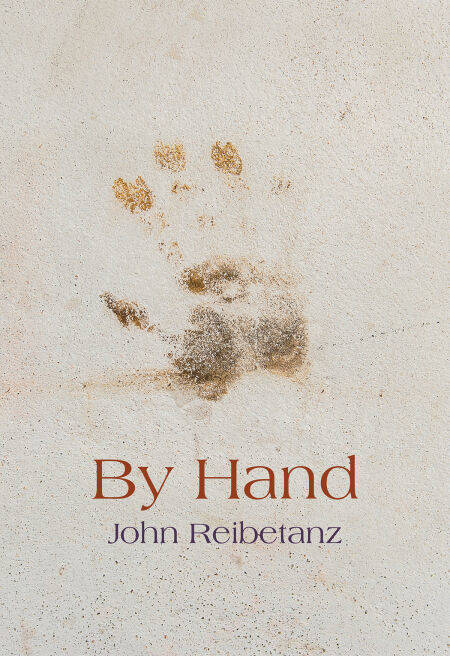
Poems that examine the creative achievements of the human hand, from cave art to contemporary photography.
John Reibetanz’s twelfth collection, By Hand, begins with an epigraph from Lewis Mumford: “Until modern times, apart from the esoteric knowledge of the priests, philosophers, and astronomers, the greater part of human thought and imagination flowed through the hands.” Reibetanz’s new poems investigate human creativity as a visceral interaction with the world: our imagining hands finding the music implicit in the stuff of earth, a “duet// of earthbound songsters,” of mind and material, each shaping the other. Centered on this duet, the book encompasses the wide-ranging aspects of our humanity—hands used for good and ill—portrayed in the examined paintings and sculptures, gardens, tapestries, photographs, and carvings. And they explore in particular the relationship in these artifacts between the “givens” of nature and the modifications and contributions of human culture. As Roo Borson says of the collection, “the poems are shot through with moments in which language’s particular dexterity comes into its own and real objects are remade, as when these lines from ‘The Installation’ celebrate the ‘commonality of clay’ in a relief by della Robbia:”
the light-quickened humus
of the eyes that, for hundreds of years, have read the notes
inscribed on the banner an angel is unscrolling…
John Reibetanz’s twelfth collection, By Hand, begins with an epigraph from Lewis Mumford: “Until modern times, apart from the esoteric knowledge of the priests, philosophers, and astronomers, the greater part of human thought and imagination flowed through the hands.” Reibetanz’s new poems investigate human creativity as a visceral interaction with the world: our imagining hands finding the music implicit in the stuff of earth, a “duet// of earthbound songsters,” of mind and material, each shaping the other. Centered on this duet, the book encompasses the wide-ranging aspects of our humanity—hands used for good and ill—portrayed in the examined paintings and sculptures, gardens, tapestries, photographs, and carvings. And they explore in particular the relationship in these artifacts between the “givens” of nature and the modifications and contributions of human culture. As Roo Borson says of the collection, “the poems are shot through with moments in which language’s particular dexterity comes into its own and real objects are remade, as when these lines from ‘The Installation’ celebrate the ‘commonality of clay’ in a relief by della Robbia:”
the light-quickened humus
of the eyes that, for hundreds of years, have read the notes
inscribed on the banner an angel is unscrolling…
Specificaties
Betrokkenen
- Auteur(s):
- Uitgeverij:
Inhoud
- Taal:
- Engels
Eigenschappen
- Productcode (EAN):
- 9781771315043
- Verschijningsdatum:
- 1/04/2019
- Uitvoering:
- E-book
- Beveiligd met:
- Digital watermarking
- Formaat:
- ePub


Alleen bij Standaard Boekhandel
+ 7 punten op je klantenkaart van Standaard Boekhandel
Cadeau

AANGERADEN


Beoordelingen
We publiceren alleen reviews die voldoen aan de voorwaarden voor reviews. Bekijk onze voorwaarden voor reviews.