


- Afhalen na 1 uur in een winkel met voorraad
- Gratis thuislevering in België vanaf € 30
- Ruim aanbod met 7 miljoen producten
- Afhalen na 1 uur in een winkel met voorraad
- Gratis thuislevering in België vanaf € 30
- Ruim aanbod met 7 miljoen producten





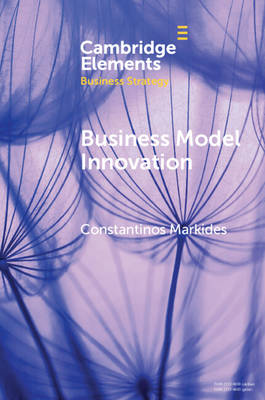
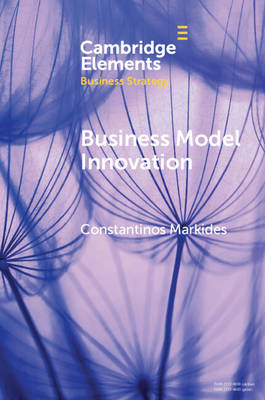
Business Model Innovation
Strategic and Organizational Issues for Established Firms
Constantinos Markides
€ 36,45
+ 72 punten
Omschrijving
Digital technologies have allowed for the proliferation of new business models, something that has attracted the attention of academic research. Much of this research has focused on (i) understanding what a business model is and its theoretical connection to the concept of strategy, and (ii) exploring what business model innovation is and what its sources and outcomes are. Less work has gone into studying the issues that established firms face in business model innovation - such as how to respond to the arrival of a disruptive business model in one's industry, or how to compete with dual business models or how to migrate from one business model to another. This Element approaches the topic of business model innovation from the perspective of the established firm and examines the unique strategic and organizational issues that big, established companies face when a new business model enters their markets.
Specificaties
Betrokkenen
- Auteur(s):
- Uitgeverij:
Inhoud
- Aantal bladzijden:
- 70
- Taal:
- Engels
- Reeks:
Eigenschappen
- Productcode (EAN):
- 9781108995054
- Verschijningsdatum:
- 29/06/2023
- Uitvoering:
- Paperback
- Formaat:
- Trade paperback (VS)
- Afmetingen:
- 152 mm x 229 mm
- Gewicht:
- 104 g


Alleen bij Standaard Boekhandel
+ 72 punten op je klantenkaart van Standaard Boekhandel
Cadeau

AANGERADEN


Beoordelingen
We publiceren alleen reviews die voldoen aan de voorwaarden voor reviews. Bekijk onze voorwaarden voor reviews.