


- Afhalen na 1 uur in een winkel met voorraad
- Gratis thuislevering in België vanaf € 30
- Ruim aanbod met 7 miljoen producten
- Afhalen na 1 uur in een winkel met voorraad
- Gratis thuislevering in België vanaf € 30
- Ruim aanbod met 7 miljoen producten





€ 83,95
+ 167 punten
Uitvoering
Omschrijving
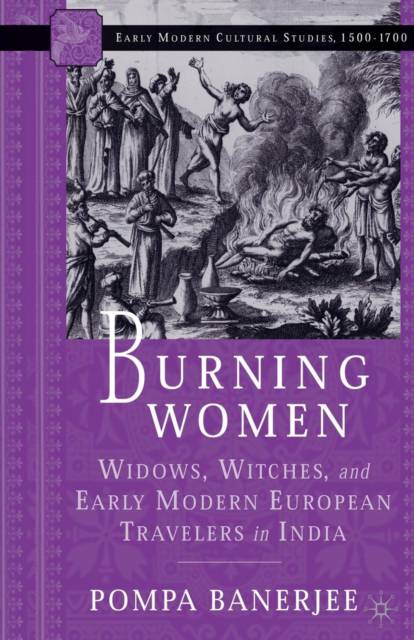
In early modern Europe, the circulation of visual and verbal transmissions of sati, or Hindu widow burning, not only informed responses to the ritualized violence of Hindu culture, but also intersected in fascinating ways with specifically European forms of ritualized violence and European constructions of gender ideology. European accounts of women being burned in India uncannily commented on the burnings of women as witches and criminal wives in Europe. When Europeans narrated their accounts of sati, perhaps the most striking illustration of Hindu patriarchal violence, they did not specifically connect the act of widow burning to a corresponding European signifier: the gruesome ceremonial burnings of women as witches. In examining early modern representations of sati, the book focuses specifically on those strategies that enabled European travellers to protect their own identity as uniquely civilized amidst spectacular displays of 'Eastern barbarity'.
Specificaties
Betrokkenen
- Auteur(s):
- Uitgeverij:
Inhoud
- Aantal bladzijden:
- 278
- Taal:
- Engels
- Reeks:
Eigenschappen
- Productcode (EAN):
- 9781349730469
- Verschijningsdatum:
- 6/02/2003
- Uitvoering:
- Paperback
- Formaat:
- Trade paperback (VS)
- Afmetingen:
- 140 mm x 216 mm
- Gewicht:
- 349 g


Alleen bij Standaard Boekhandel
+ 167 punten op je klantenkaart van Standaard Boekhandel
Cadeau

AANGERADEN


Beoordelingen
We publiceren alleen reviews die voldoen aan de voorwaarden voor reviews. Bekijk onze voorwaarden voor reviews.