


- Afhalen na 1 uur in een winkel met voorraad
- Gratis thuislevering in België vanaf € 30
- Ruim aanbod met 7 miljoen producten
- Afhalen na 1 uur in een winkel met voorraad
- Gratis thuislevering in België vanaf € 30
- Ruim aanbod met 7 miljoen producten





€ 187,45
+ 374 punten
Eenvoudig bestellen
Veilig betalen


Gratis thuislevering vanaf € 30 (via bpost)
Gratis levering in je Standaard Boekhandel
Omschrijving
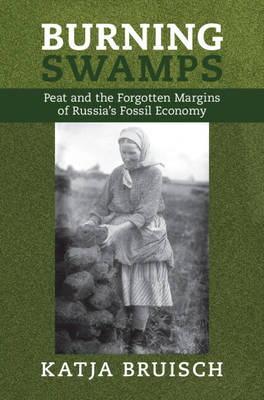
This groundbreaking environmental history recounts the story of Russia's fossil economy from its margins. Unpacking the forgotten history of how peat fuelled manufacturing industries and power plants in late Imperial and Soviet Russia, Katja Bruisch provides a corrective to more familiar historical narratives dominated by coal, oil, and gas. Attentive to the intertwined histories of matter and labor during a century of industrial peat extraction, she offers a fresh perspective on the modern Russian economy that moves beyond the socialism/capitalism binary. By identifying peat extraction in modern Russia as a crucial chapter in the degradation of the world's peatlands, Bruisch makes a compelling case for paying attention to seemingly marginal places, people, and resources as we tell the histories of the planetary emergency.
Specificaties
Betrokkenen
- Auteur(s):
- Uitgeverij:
Inhoud
- Aantal bladzijden:
- 292
- Taal:
- Engels
- Reeks:
Eigenschappen
- Productcode (EAN):
- 9781009603089
- Verschijningsdatum:
- 25/09/2025
- Uitvoering:
- Hardcover
- Formaat:
- Genaaid
- Afmetingen:
- 152 mm x 229 mm
- Gewicht:
- 562 g


Alleen bij Standaard Boekhandel
+ 374 punten op je klantenkaart van Standaard Boekhandel
CADEAU

AANGERADEN


Beoordelingen
We publiceren alleen reviews die voldoen aan de voorwaarden voor reviews. Bekijk onze voorwaarden voor reviews.