


- Afhalen na 1 uur in een winkel met voorraad
- Gratis thuislevering in België vanaf € 30
- Ruim aanbod met 7 miljoen producten
- Afhalen na 1 uur in een winkel met voorraad
- Gratis thuislevering in België vanaf € 30
- Ruim aanbod met 7 miljoen producten





€ 67,95
+ 135 punten
Uitvoering
Omschrijving
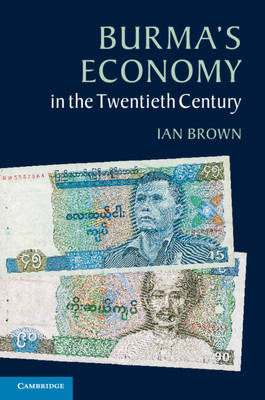
At the beginning of the twentieth century, Burma was among the most prosperous territories in the East. Yet since gaining independence in 1948, its economy has struggled. Burma's developmental failure has often been attributed to gross mismanagement of the economy by the military who took power in 1962 but in this illuminating book, Ian Brown, one of the leading economic historians of Southeast Asia, provides a fresh examination of the country's economic past, thereby setting that failure in the context of the colonial period. For the first time, a review of Burma's economic experience in the final decades of British rule is integrated with an analysis of its economy since independence, providing a detailed understanding of the complex origins of Burma's economic failure in the second half of the twentieth century. This is a compelling introduction to Burma's political and economic history for students in Southeast Asian history, development studies and political science.
Specificaties
Betrokkenen
- Auteur(s):
- Uitgeverij:
Inhoud
- Aantal bladzijden:
- 239
- Taal:
- Engels
Eigenschappen
- Productcode (EAN):
- 9781107680050
- Verschijningsdatum:
- 7/11/2013
- Uitvoering:
- Paperback
- Formaat:
- Trade paperback (VS)
- Afmetingen:
- 152 mm x 226 mm
- Gewicht:
- 408 g


Alleen bij Standaard Boekhandel
+ 135 punten op je klantenkaart van Standaard Boekhandel
Cadeau

AANGERADEN


Beoordelingen
We publiceren alleen reviews die voldoen aan de voorwaarden voor reviews. Bekijk onze voorwaarden voor reviews.