


- Afhalen na 1 uur in een winkel met voorraad
- Gratis thuislevering in België vanaf € 30
- Ruim aanbod met 7 miljoen producten
- Afhalen na 1 uur in een winkel met voorraad
- Gratis thuislevering in België vanaf € 30
- Ruim aanbod met 7 miljoen producten





€ 54,95
+ 109 punten
Uitvoering
Omschrijving
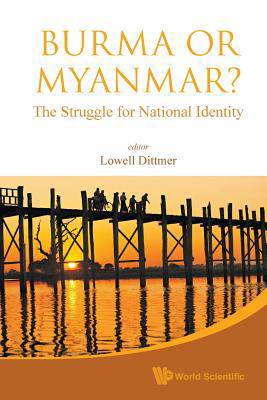
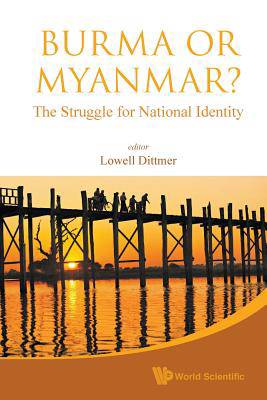
Burma, also known as Myanmar, strategically located between China and India, is one of the largest and most richly endowed states in Southeast Asia. Yet it remains both economically and politically underdeveloped. Why is this so? We argue that much of the reason has to do with an ongoing struggle for national identity. This struggle involves not only whether the state should be authoritarian or democratic, but how Burma's myriad ethnic minorities should be accommodated within it, what external reference national reference groups the country should identify and align with, and how it should move forward. Identity formation normally occurs much earlier in the national developmental process, but Burma has had unusually intransigent problems that were never successfully resolved during the colonial period and have simply been suppressed by force since then. This protracted divisiveness has stunted the nation's modernization and growth.Written from a unique perspective, this book on Myanmar deviates from the traditional authoritarian versus democratic rhetoric. Although that is certainly part of the picture, this multifaceted analysis focuses rather on the issue of identity formation -- an issue that has all too often failed to make the headlines. Much can be learned from Myanmar's identity problems, making this book essential reading for all students and professionals interested in development studies or comparative politics. By whatever name, Burma is not only a fascinating country but one likely to play an increasingly vital role in Asia's future.
Specificaties
Betrokkenen
- Auteur(s):
- Uitgeverij:
Inhoud
- Aantal bladzijden:
- 396
- Taal:
- Engels
Eigenschappen
- Productcode (EAN):
- 9789814730365
- Verschijningsdatum:
- 31/10/2010
- Uitvoering:
- Paperback
- Formaat:
- Trade paperback (VS)
- Afmetingen:
- 152 mm x 229 mm
- Gewicht:
- 526 g


Alleen bij Standaard Boekhandel
+ 109 punten op je klantenkaart van Standaard Boekhandel
Cadeau

AANGERADEN


Beoordelingen
We publiceren alleen reviews die voldoen aan de voorwaarden voor reviews. Bekijk onze voorwaarden voor reviews.