


- Afhalen na 1 uur in een winkel met voorraad
- Gratis thuislevering in België vanaf € 30
- Ruim aanbod met 7 miljoen producten
- Afhalen na 1 uur in een winkel met voorraad
- Gratis thuislevering in België vanaf € 30
- Ruim aanbod met 7 miljoen producten





€ 34,95
+ 69 punten
Omschrijving
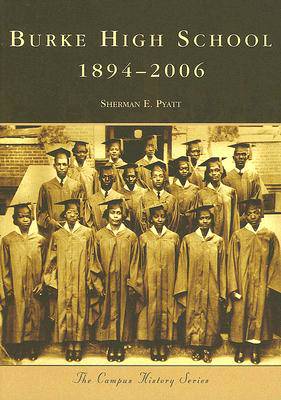
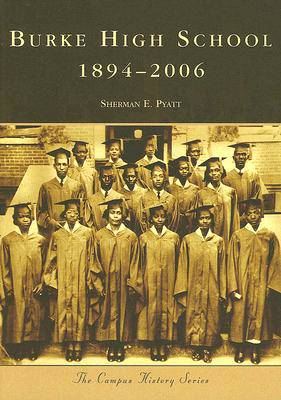
In 1911, the Charleston Colored Industrial School opened its doors to 375 African American boys and girls, making it the first public high school for
African Americans in the city of Charleston. Throughout the years, there have been several public high schools in the city that educated African
American students. However, they all have closed, and Burke High School (formerly the Charleston Colored Industrial School) is the only public high school in the city that provides an education for children living on the Peninsula. This book explores the rich and unique history of the school from 1894 to 2006 and provides another perspective on the subject of education and African Americans in Charleston during 19th, 20th, and 21st centuries.
African Americans in the city of Charleston. Throughout the years, there have been several public high schools in the city that educated African
American students. However, they all have closed, and Burke High School (formerly the Charleston Colored Industrial School) is the only public high school in the city that provides an education for children living on the Peninsula. This book explores the rich and unique history of the school from 1894 to 2006 and provides another perspective on the subject of education and African Americans in Charleston during 19th, 20th, and 21st centuries.
Specificaties
Betrokkenen
- Auteur(s):
- Uitgeverij:
Inhoud
- Aantal bladzijden:
- 128
- Taal:
- Engels
- Reeks:
Eigenschappen
- Productcode (EAN):
- 9780738544120
- Verschijningsdatum:
- 8/08/2007
- Uitvoering:
- Paperback
- Formaat:
- Trade paperback (VS)
- Afmetingen:
- 167 mm x 232 mm
- Gewicht:
- 294 g


Alleen bij Standaard Boekhandel
+ 69 punten op je klantenkaart van Standaard Boekhandel
Cadeau

AANGERADEN


Beoordelingen
We publiceren alleen reviews die voldoen aan de voorwaarden voor reviews. Bekijk onze voorwaarden voor reviews.