


- Afhalen na 1 uur in een winkel met voorraad
- Gratis thuislevering in België vanaf € 30
- Ruim aanbod met 7 miljoen producten
- Afhalen na 1 uur in een winkel met voorraad
- Gratis thuislevering in België vanaf € 30
- Ruim aanbod met 7 miljoen producten





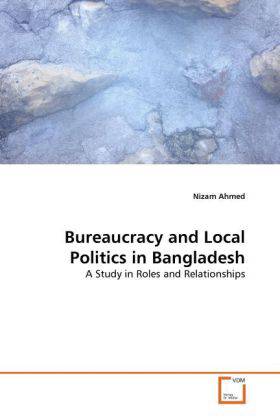
Bureaucracy and Local Politics in Bangladesh
A Study in Roles and Relationships
Nizam Ahmed
Paperback | Engels
€ 94,45
+ 188 punten
Omschrijving
This book is a study of the roles and relations of politicians and bureaucrats in the policy process of the upazila parishad (UZP) in Bangladesh in its formative phase. The analysis is directed at examining the ways the two perceived each other's roles and defined inter-role relationships in the policy process. The study reveals that the political and bureaucratic roles in the UZP did not remain mutually exclusive; rather one reinforced the other in a number of ways. Such reinforcement was governed more by mutuality of interests of the two sets of actors than by psychological affinities or ideological similarities. To attain their personal and organisational objectives, both politicians and bureaucrats were continually engaged in exchanging support and resources. Nothing appeared to be beyond the formal scope of exchange, not even rules. Hence, the inter-role relationship was characterised by reciprocity and interdependence. But such exchange, besides encouraging deviant behaviour and suppressing conflict, was fraught with the risk of giving rise to inertia and conservatism in the policy process. It also discouraged the growth of policy entrepreneurship in the UZP.
Specificaties
Betrokkenen
- Auteur(s):
- Uitgeverij:
Inhoud
- Aantal bladzijden:
- 184
- Taal:
- Engels
Eigenschappen
- Productcode (EAN):
- 9783639300666
- Verschijningsdatum:
- 26/10/2010
- Uitvoering:
- Paperback
- Afmetingen:
- 152 mm x 229 mm
- Gewicht:
- 277 g


Alleen bij Standaard Boekhandel
+ 188 punten op je klantenkaart van Standaard Boekhandel
Wedstrijd


Beoordelingen
We publiceren alleen reviews die voldoen aan de voorwaarden voor reviews. Bekijk onze voorwaarden voor reviews.