


- Afhalen na 1 uur in een winkel met voorraad
- Gratis thuislevering in België vanaf € 30
- Ruim aanbod met 7 miljoen producten
- Afhalen na 1 uur in een winkel met voorraad
- Gratis thuislevering in België vanaf € 30
- Ruim aanbod met 7 miljoen producten





€ 90,10
+ 180 punten
Omschrijving
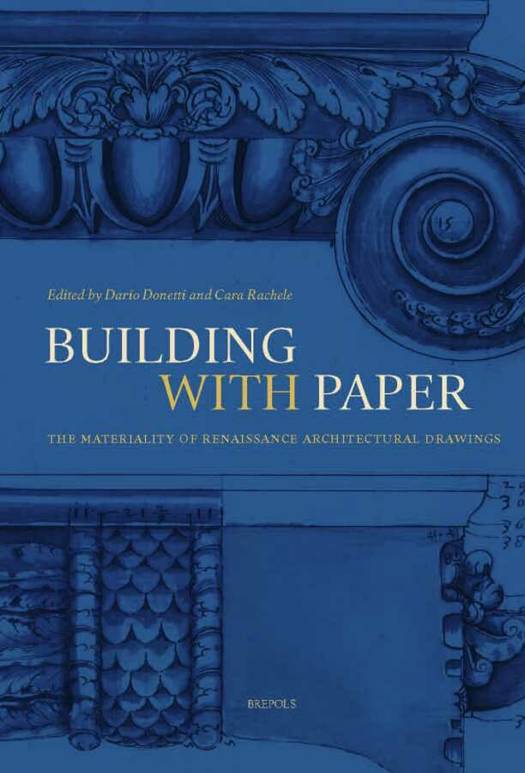
The introduction of paper is one of the major innovations of Early Modern architecture, and it had profound effects on its design processes. Wider use of paper changed representational conventions, while communication networks were affected by the many implications of portability and reproducibility: circulation of models for study and design increased, and new possibilities of remote control of the building site emerged. The material dimensions of these practices are the subject of the present volume, which collects essays that engage with the manifold inter- and multi-medial complexities of Italian Renaissance architectural drawings on paper.
Specificaties
Betrokkenen
- Auteur(s):
- Uitgeverij:
Inhoud
- Aantal bladzijden:
- 176
- Taal:
- Frans
- Reeks:
- Reeksnummer:
- nr. 2
Eigenschappen
- Productcode (EAN):
- 9782503591186
- Verschijningsdatum:
- 8/12/2021
- Uitvoering:
- Hardcover
- Formaat:
- Genaaid
- Gewicht:
- 1460 g


Alleen bij Standaard Boekhandel
+ 180 punten op je klantenkaart van Standaard Boekhandel
Cadeau

AANGERADEN


Beoordelingen
We publiceren alleen reviews die voldoen aan de voorwaarden voor reviews. Bekijk onze voorwaarden voor reviews.