


- Afhalen na 1 uur in een winkel met voorraad
- Gratis thuislevering in België vanaf € 30
- Ruim aanbod met 7 miljoen producten
- Afhalen na 1 uur in een winkel met voorraad
- Gratis thuislevering in België vanaf € 30
- Ruim aanbod met 7 miljoen producten





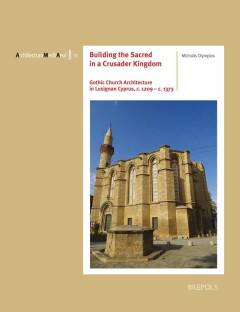
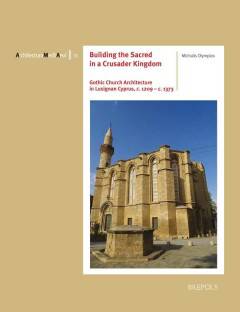
Building the Sacred in a Crusader Kingdom
Gothic Church Architecture in Lusignan Cyprus, c. 1209 - c. 1373
Michalis Olympios
€ 127,20
+ 254 punten
Omschrijving
At the eastern confines of Latin Christendom, between the Levantine Crusader states, Byzantium, and Islam, the Lusignan kingdom of Cyprus (1192-1489) was home to a rich and diverse array of Gothic ecclesiastical structures, significant remains of which are still to be seen today. From the grand Latin cathedrals of Nicosia and Famagusta, the austere churches of the mendicant orders, and the magnificent monastic buildings of Bellapais Abbey to the imposing Greek and Nestorian cathedrals of Famagusta and the churches of the Eastern Christians (Armenians, Melkites, Maronites, etc.), Cypriot Gothic architecture evolved to serve the needs of the island's multicultural and multicreedal society. This new study is based on original research on the physical fabric of Cyprus' Gothic ecclesiastical edifices, on a thorough exploitation of the published archaeological data, and on a new reading of the extant documentary sources (some of which are published here for the first time) to offer a fresh account of the development and place of Cypriot Gothic in the architectural history of medieval Europe and the Eastern Mediterranean. It proposes to do so by reevaluating and recontextualizing the ambitions of the patrons and the choices (and compromises) of the master masons responsible for this unique monumental heritage.
Specificaties
Betrokkenen
- Auteur(s):
- Uitgeverij:
Inhoud
- Aantal bladzijden:
- 445
- Taal:
- Engels
- Reeks:
- Reeksnummer:
- nr. 11
Eigenschappen
- Productcode (EAN):
- 9782503536064
- Verschijningsdatum:
- 29/11/2018
- Uitvoering:
- Paperback
- Formaat:
- Trade paperback (VS)
- Afmetingen:
- 218 mm x 279 mm
- Gewicht:
- 1678 g


Alleen bij Standaard Boekhandel
+ 254 punten op je klantenkaart van Standaard Boekhandel
Cadeau

AANGERADEN


Beoordelingen
We publiceren alleen reviews die voldoen aan de voorwaarden voor reviews. Bekijk onze voorwaarden voor reviews.