


- Afhalen na 1 uur in een winkel met voorraad
- Gratis thuislevering in België vanaf € 30
- Ruim aanbod met 7 miljoen producten
- Afhalen na 1 uur in een winkel met voorraad
- Gratis thuislevering in België vanaf € 30
- Ruim aanbod met 7 miljoen producten





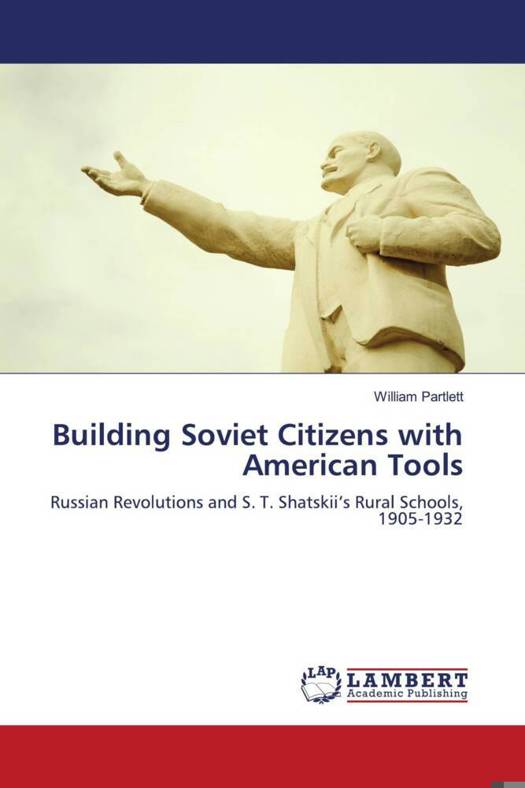
Building Soviet Citizens with American Tools
Russian Revolutions and S. T. Shatskii's Rural Schools, 1905-1932
William Partlett
Paperback | Engels
€ 77,95
+ 155 punten
Omschrijving
This book examines the largest experiment with radical, early twentieth-century new educational ideas ever implemented. Focusing on the educational theory and educational institutions of a leading pedagogue (Stanislav Shatskii), it describes how early Soviet educators attempted to implement cutting-edge educational ideas amidst the famine, war, and revolution of 1920s Russia. Although these attempts to formulate a radical communist educational system eventually foundered on the unwritten rules of the Russian village and the top-down commands of Stalinist orthodoxy, they are important. This experience provides a powerful insight into the early workings of the Soviet regime: during the 1920s, the Soviet Union was a fertile ground for experimentation with avant garde international ideas. In fact, some of the central educational ideas at work in early Soviet educational theory were drawn from American educational theory. Furthermore, it provides important perspectives on those seeking to understand the successes and failures of the international new education movement.
Specificaties
Betrokkenen
- Auteur(s):
- Uitgeverij:
Inhoud
- Aantal bladzijden:
- 356
- Taal:
- Engels
Eigenschappen
- Productcode (EAN):
- 9783846503621
- Verschijningsdatum:
- 7/10/2011
- Uitvoering:
- Paperback
- Afmetingen:
- 150 mm x 220 mm
- Gewicht:
- 488 g


Alleen bij Standaard Boekhandel
+ 155 punten op je klantenkaart van Standaard Boekhandel
Cadeau

AANGERADEN


Beoordelingen
We publiceren alleen reviews die voldoen aan de voorwaarden voor reviews. Bekijk onze voorwaarden voor reviews.