


- Afhalen na 1 uur in een winkel met voorraad
- Gratis thuislevering in België vanaf € 30
- Ruim aanbod met 7 miljoen producten
- Afhalen na 1 uur in een winkel met voorraad
- Gratis thuislevering in België vanaf € 30
- Ruim aanbod met 7 miljoen producten





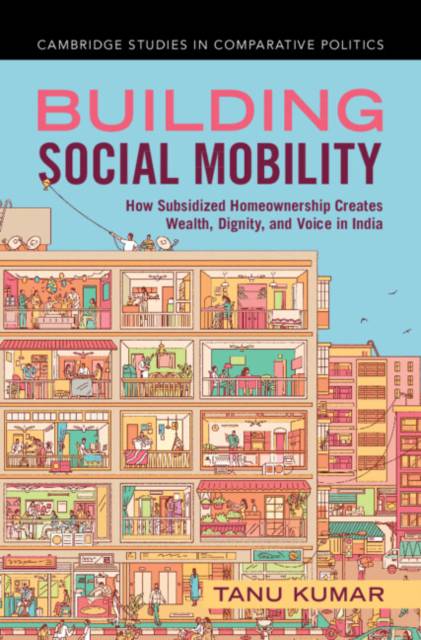
Building Social Mobility
How Subsidized Homeownership Creates Wealth, Dignity, and Voice in India
Tanu Kumar
€ 187,45
+ 374 punten
Uitvoering
Omschrijving
Which policies can help households improve their economic, social and political status? Building Social Mobility is an in-depth exploration of how policies to subsidize homeownership in low- and middle-income countries shape beneficiaries' decision-making in nearly every facet of their lives. Tanu Kumar develops a multidimensional and cross-disciplinary theory that argues that these initiatives affect how citizens invest in the future, climb out of poverty, develop agency in their social relationships, and exert power in local politics. Kumar supports the theory using a multi-method study of three policies in India. Evidence includes a natural experiment, original surveys, paired qualitative interviews, and an 18-year matched panel study. Building Social Mobility is a book about both housing and behavior. It goes beyond assessing the effects of an important policy to provide deep insights about how upwardly mobile citizens make decisions and the interactions between wealth, dignity, and voice in low- and middle-income countries.
Specificaties
Betrokkenen
- Auteur(s):
- Uitgeverij:
Inhoud
- Aantal bladzijden:
- 240
- Taal:
- Engels
- Reeks:
Eigenschappen
- Productcode (EAN):
- 9781009637008
- Verschijningsdatum:
- 2/10/2025
- Uitvoering:
- Hardcover
- Formaat:
- Genaaid
- Afmetingen:
- 152 mm x 229 mm
- Gewicht:
- 489 g


Alleen bij Standaard Boekhandel
+ 374 punten op je klantenkaart van Standaard Boekhandel
Cadeau

AANGERADEN


Beoordelingen
We publiceren alleen reviews die voldoen aan de voorwaarden voor reviews. Bekijk onze voorwaarden voor reviews.