


- Afhalen na 1 uur in een winkel met voorraad
- Gratis thuislevering in België vanaf € 30
- Ruim aanbod met 7 miljoen producten
- Afhalen na 1 uur in een winkel met voorraad
- Gratis thuislevering in België vanaf € 30
- Ruim aanbod met 7 miljoen producten





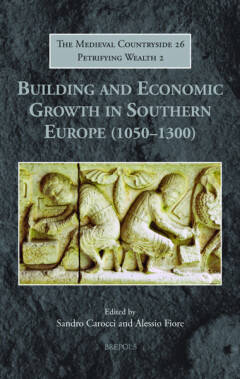
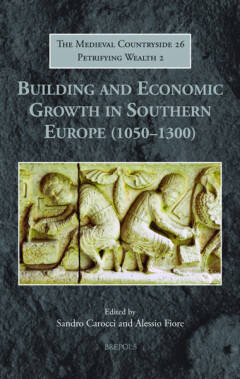
Building and Economic Growth in Southern Europe (1050–1300)
Sandro Carocci
€ 84,80
+ 169 punten
Omschrijving
The four-volume sub-series 'Petrifying Wealth' explores the sudden ubiquity of masonry construction between 1050 and 1300 in Southern Europe and its profound effect on the European landscape. New questions about wealth, society, and medieval building are explored, which highlight the link between construction in durable materials and the shaping of individual, collective, and territorial identities: the birth of a new, long-lasting panorama, epitomising the way we see the space and territory of Europe nowadays. Volume 2 of the 'Petrifying Wealth' series focuses on economic growth in Southern Europe between 1050 and 1300, discussing investments on buildings connected with production and trade. It examines buildings that served a primarily economic purpose, in various aspects: agricultural activity and the conservation and processing of its products, crafts, and exchanges and their material infrastructures. The growth in this period resulted in a multiplication of material structures closely linked with economic activity, such as mills, barns, canals, workshops, and arsenals. Focusing on the dynamics connected with these buildings thus offers a vantage point to better understand the contexts and characteristics of the 'economic take-off' in Southern Europe in this period.
Specificaties
Betrokkenen
- Auteur(s):
- Uitgeverij:
Inhoud
- Aantal bladzijden:
- 268
- Taal:
- Frans
- Reeks:
- Reeksnummer:
- nr. 26
Eigenschappen
- Productcode (EAN):
- 9782503605418
- Verschijningsdatum:
- 24/10/2024
- Uitvoering:
- Hardcover
- Formaat:
- Genaaid
- Gewicht:
- 104 g


Alleen bij Standaard Boekhandel
+ 169 punten op je klantenkaart van Standaard Boekhandel
Cadeau

AANGERADEN


Beoordelingen
We publiceren alleen reviews die voldoen aan de voorwaarden voor reviews. Bekijk onze voorwaarden voor reviews.