


- Afhalen na 1 uur in een winkel met voorraad
- Gratis thuislevering in België vanaf € 30
- Ruim aanbod met 7 miljoen producten
- Afhalen na 1 uur in een winkel met voorraad
- Gratis thuislevering in België vanaf € 30
- Ruim aanbod met 7 miljoen producten





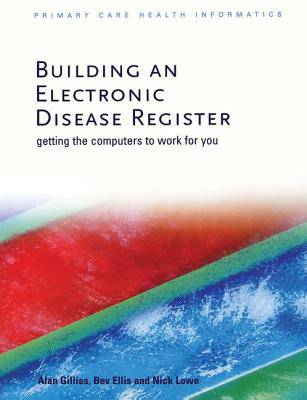
Building an Electronic Disease Register
Getting the Computer to Work for You
Alan Gillies, Bev Ellis, Nick Lowe
€ 66,45
+ 132 punten
Omschrijving
This clear, straightforward and practical book uses the example of a disease register to show how computers can work for you, and not the other way round. The results are improved patient health and patient care. And computers play a major role in achieving this. The book describes how to computerise patient records, implement systems to process them in accordance with best practice and available evidence, improve working practices and procedures, train staff and manage the process of change. In addition the book provides an overview of the process of implementing an electronic disease register, examines the real example of a coronary heart disease (CHD) register in a primary care organisation, and considers future developments, including the impact of the CHD National Service Framework. Whatever stage of computerisation your practice is at, whether you are a general practitioner, practice manager, or other member of the primary care team or primary care organisation, you will find this to be an essential guide.
Specificaties
Betrokkenen
- Auteur(s):
- Uitgeverij:
Inhoud
- Aantal bladzijden:
- 224
- Taal:
- Engels
- Reeks:
Eigenschappen
- Productcode (EAN):
- 9781857754230
- Verschijningsdatum:
- 1/04/1994
- Uitvoering:
- Paperback
- Formaat:
- Trade paperback (VS)
- Afmetingen:
- 305 mm x 152 mm
- Gewicht:
- 409 g


Alleen bij Standaard Boekhandel
+ 132 punten op je klantenkaart van Standaard Boekhandel

Beoordelingen
We publiceren alleen reviews die voldoen aan de voorwaarden voor reviews. Bekijk onze voorwaarden voor reviews.