


- Afhalen na 1 uur in een winkel met voorraad
- Gratis thuislevering in België vanaf € 30
- Ruim aanbod met 7 miljoen producten
- Afhalen na 1 uur in een winkel met voorraad
- Gratis thuislevering in België vanaf € 30
- Ruim aanbod met 7 miljoen producten





€ 64,95
+ 129 punten
Omschrijving
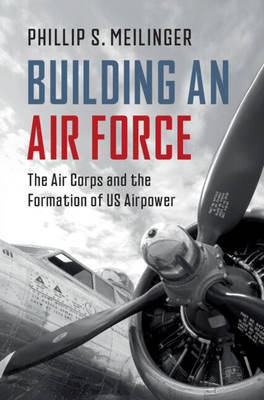
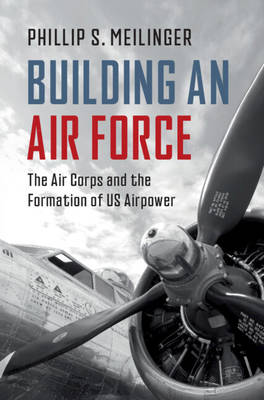
Until the Japanese attack on Pearl Harbour, America did not want war, with the 1930s marked by strong isolationism and an emphasis on defense. However, in December 1941, it wasn't defensive aircraft the Army Air Corps had been steadily procuring, but offensive long-range heavy bombers, whilst US pursuit planes were decidedly inferior to their European counterparts. In this new history of the development of American air power, Phillip Meilinger dispels the notion that young air zealots pushed for a bomber-heavy force, revealing instead the technological, economic and bureaucratic forces which shaped the air force. He examines the role of scientists and engineers, developments in commercial aviation, and conflicting priorities of the Army and Air Corps, as well as how these were in turn influenced by America's political leaders. Building an Air Force is essential for understanding a conflict in which whoever controlled the skies controlled the land and seas beneath.
Specificaties
Betrokkenen
- Auteur(s):
- Uitgeverij:
Inhoud
- Aantal bladzijden:
- 304
- Taal:
- Engels
- Reeks:
Eigenschappen
- Productcode (EAN):
- 9781009728416
- Verschijningsdatum:
- 7/05/2026
- Uitvoering:
- Hardcover
- Formaat:
- Genaaid
- Afmetingen:
- 162 mm x 234 mm
- Gewicht:
- 539 g


Alleen bij Standaard Boekhandel
+ 129 punten op je klantenkaart van Standaard Boekhandel
Cadeau

AANGERADEN


Beoordelingen
We publiceren alleen reviews die voldoen aan de voorwaarden voor reviews. Bekijk onze voorwaarden voor reviews.