


- Afhalen na 1 uur in een winkel met voorraad
- Gratis thuislevering in België vanaf € 30
- Ruim aanbod met 7 miljoen producten
- Afhalen na 1 uur in een winkel met voorraad
- Gratis thuislevering in België vanaf € 30
- Ruim aanbod met 7 miljoen producten





Omschrijving
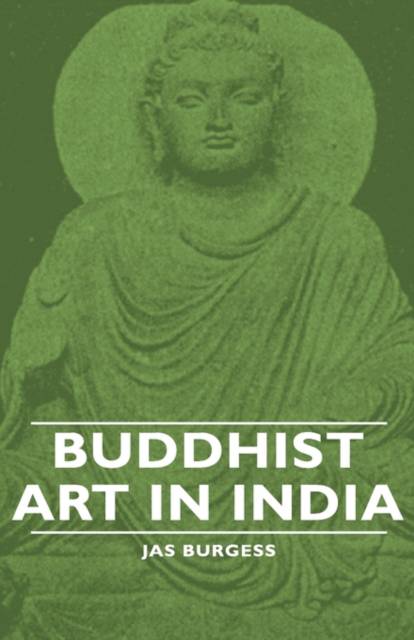
Originally published in 1893. BUDDHIST ART IN INDIA. TRANSLATED FROM THE * HANDBUCH ' OF PROF. ALBERT GRUNWEDEL. PREFACE: THE first edition of Professor Albert Grunwedels handbook, on Buddhistische Kunst in Indien appeared in 1893, and the hope was expressed in the Journal of the Royal Asiatic Society that the work might appear in English, as it ought to be in the hands of all antiquarians in India. Believing that so important a publication might, by a few additions, form a useful general guide to the Buddhist sculptures in the museums, alike of India and Europe, I have prepared the present edition Miss A. C. Gibson very kindly translated for me the first edition; but by the time it was xeacly for the press, -Prof. Grunwedel had begun his second edition containing extensive additions and alteiations. This involved delay and a revision of the whole MS. Considerable additions have also been made to this translation, which have, partly at least, been indicated, and about fifty illustrations are added. The difficulties in interpreting the Gandhara Buddhist sculptures arise chiefly from their fragmentary and unconnected condition. This has been lamentably increased by the ignorance or disregard of scientific methods on the part of the excavators of these remains. Monasteries and stupas were dug into and demolished without regard to what might be learnt in the process by modern methods; the more complete fragments only were saved, without note of their relative positions or any attempt to recover smaller portions and chips by which they might have been pieced together; and the spoils were sent to various museums, often without mention of the sites from which they emanated. They were often further scattered at the will of excavators among different museums and private collections, and we cannot now place together the whole of the find from a single site, so as to compare the style, and still less the order of the reliefs; while, of the more carefully surveyed, such plans and sections as were made are defective, and without explanatory descriptions. It is sincerely to be desired that, in future, the Government of India will prevent amateur excavations, and make sure that their excavators really know how such work ought to be executed. To the General-Verwaltung of the Royal Museum, Berlin. ... With this manual in his hand, it is hoped, the visitor to any collection of Buddhist sculptures will find it no difficult task to understand their character and meaning. Much still remains to be added to our information; but it is only when complete delineations, of the sculptures in various-museums and private collections, on the BarAhat fragments, and in the Kawheri, Klura, and other Bauddha caves are made available, ...
Specificaties
Betrokkenen
- Auteur(s):
- Uitgeverij:
Inhoud
- Aantal bladzijden:
- 244
- Taal:
- Engels
Eigenschappen
- Productcode (EAN):
- 9781443728720
- Verschijningsdatum:
- 4/11/2008
- Uitvoering:
- Hardcover
- Formaat:
- Genaaid
- Afmetingen:
- 140 mm x 216 mm
- Gewicht:
- 458 g



Alleen bij Standaard Boekhandel
+ 111 punten op je klantenkaart van Standaard Boekhandel

Beoordelingen
We publiceren alleen reviews die voldoen aan de voorwaarden voor reviews. Bekijk onze voorwaarden voor reviews.