


- Afhalen na 1 uur in een winkel met voorraad
- Gratis thuislevering in België vanaf € 30
- Ruim aanbod met 7 miljoen producten
- Afhalen na 1 uur in een winkel met voorraad
- Gratis thuislevering in België vanaf € 30
- Ruim aanbod met 7 miljoen producten





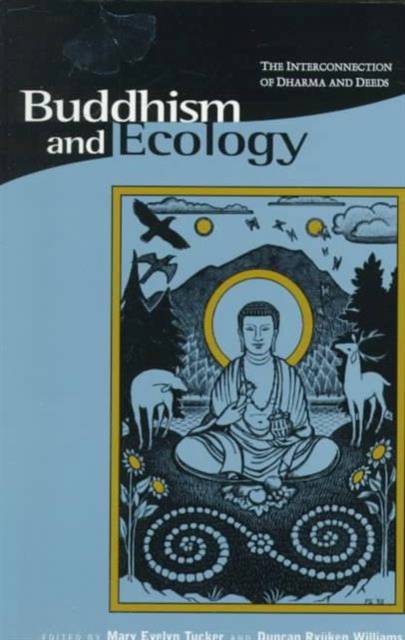
Buddhism and Ecology
The Interconnection of Dharma and Deeds
€ 35,45
+ 70 punten
Omschrijving
Given the challenges of the environmental crisis, Buddhism's teaching of the interrelatedness of all life forms may be critical to the recovery of human reciprocity with nature. In this new work, twenty religionists and environmentalists examine Buddhism's understanding of the intricate web of life. In noting the cultural diversity of Buddhism, they highlight aspects of the tradition which may help formulate an effective environmental ethics, citing examples from both Asia and the United States of socially engaged Buddhist projects to protect the environment. The authors explore theoretical and methodological issues and analyze the prospects and problems of using Buddhism as an environmental resource in both theory and practice. This groundbreaking volume inaugurates a larger series examining the religions of the world and their ecological implications which will shape a new field of study involving religious issues, contemporary environmental ethics, and public policy concerns.
Specificaties
Betrokkenen
- Uitgeverij:
Inhoud
- Aantal bladzijden:
- 518
- Taal:
- Engels
- Reeks:
- Reeksnummer:
- nr. 1
Eigenschappen
- Productcode (EAN):
- 9780945454144
- Verschijningsdatum:
- 15/01/1998
- Uitvoering:
- Paperback
- Formaat:
- Trade paperback (VS)
- Afmetingen:
- 155 mm x 229 mm
- Gewicht:
- 811 g

Alleen bij Standaard Boekhandel
+ 70 punten op je klantenkaart van Standaard Boekhandel
Cadeau

AANGERADEN


Beoordelingen
We publiceren alleen reviews die voldoen aan de voorwaarden voor reviews. Bekijk onze voorwaarden voor reviews.