


- Afhalen na 1 uur in een winkel met voorraad
- Gratis thuislevering in België vanaf € 30
- Ruim aanbod met 7 miljoen producten
- Afhalen na 1 uur in een winkel met voorraad
- Gratis thuislevering in België vanaf € 30
- Ruim aanbod met 7 miljoen producten





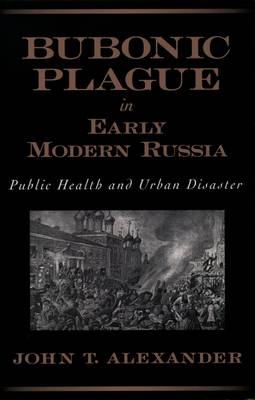
Bubonic Plague in Early Modern Russia
Public Health and Urban Disaster
John T Alexander
Paperback | Engels
€ 186,95
+ 373 punten
Omschrijving
John T. Alexander's study dramatically highlights how the Russian people reacted to the Plague, and shows how the tools of modern epidemiology can illuminate the causes of the plague's tragic course through Russia. Bubonic Plauge in Early Modern Russia makes contributions to many aspects of Russian and European history: social, economic, medical, urban, demographic, and meterological. It is particularly enlightening in its discussion of eighteenth-century Russia's emergent medical profession and public health institutions and, overall, should interest scholars in its use of abundant new primary source material from Soviet, German, and British archives.
Specificaties
Betrokkenen
- Auteur(s):
- Uitgeverij:
Inhoud
- Aantal bladzijden:
- 408
- Taal:
- Engels
Eigenschappen
- Productcode (EAN):
- 9780195158182
- Verschijningsdatum:
- 12/12/2002
- Uitvoering:
- Paperback
- Formaat:
- Trade paperback (VS)
- Afmetingen:
- 155 mm x 235 mm
- Gewicht:
- 566 g


Alleen bij Standaard Boekhandel
+ 373 punten op je klantenkaart van Standaard Boekhandel
Cadeau

AANGERADEN


Beoordelingen
We publiceren alleen reviews die voldoen aan de voorwaarden voor reviews. Bekijk onze voorwaarden voor reviews.