


- Afhalen na 1 uur in een winkel met voorraad
- Gratis thuislevering in België vanaf € 30
- Ruim aanbod met 7 miljoen producten
- Afhalen na 1 uur in een winkel met voorraad
- Gratis thuislevering in België vanaf € 30
- Ruim aanbod met 7 miljoen producten





€ 100,70
+ 201 punten
Omschrijving
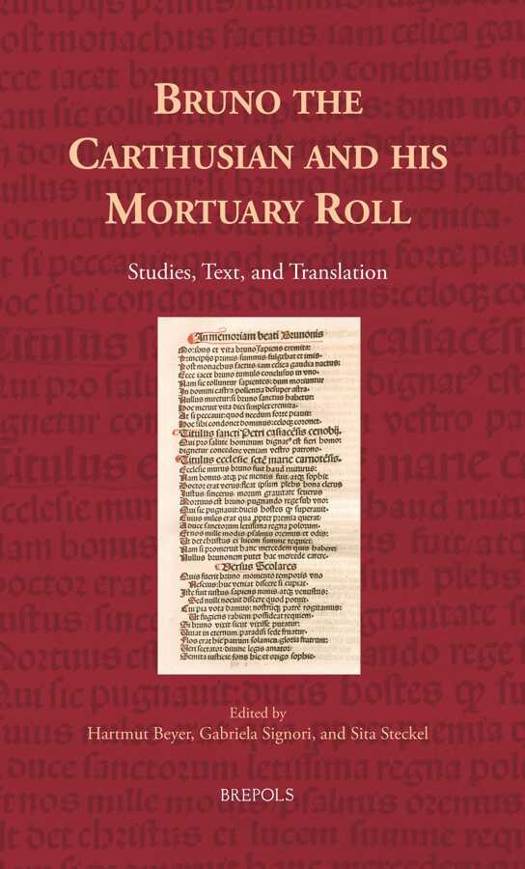
As founder of the Carthusian order, Saint Bruno of Cologne (+ 1101) is known as a leading figure in the twelfth-century religious renewal. As recent research has emphasized, he was also one of the first proponents of a new intellectual culture of the French schools as a teacher at Reims before his conversion and retreat to the Italian hermitage of La Torre. Various contrary aspects of his life are commemorated in his mortuary roll, a unique document that was sent around churches and monasteries of Europe upon his death by his fledgling hermit community. Over 150 entries by individuals and monastic or clerical communities in Italy, France, and England, mostly in verse, survive in an early sixteenth-century text witness. In celebrating Bruno's life and saintly death, the many-voiced entries comment upon intellectual and religious ideals, illustrating literary practices and intellectual and spiritual values as well as the pragmatic workings of memoria. The present edition includes all materials accompanying the sole surviving sixteenth-century print of the roll. It offers complete translations into English and into German, and includes five studies by experts debating the most important aspects and contexts of this singular and multi-faceted medieval text.
Specificaties
Betrokkenen
- Auteur(s):
- Uitgeverij:
Inhoud
- Aantal bladzijden:
- 338
- Taal:
- Engels
- Reeks:
- Reeksnummer:
- nr. 16
Eigenschappen
- Productcode (EAN):
- 9782503550091
- Verschijningsdatum:
- 8/12/2014
- Uitvoering:
- Hardcover
- Formaat:
- Genaaid
- Afmetingen:
- 163 mm x 239 mm
- Gewicht:
- 635 g



Alleen bij Standaard Boekhandel
+ 201 punten op je klantenkaart van Standaard Boekhandel
Cadeau

AANGERADEN


Beoordelingen
We publiceren alleen reviews die voldoen aan de voorwaarden voor reviews. Bekijk onze voorwaarden voor reviews.