


- Afhalen na 1 uur in een winkel met voorraad
- Gratis thuislevering in België vanaf € 30
- Ruim aanbod met 7 miljoen producten
- Afhalen na 1 uur in een winkel met voorraad
- Gratis thuislevering in België vanaf € 30
- Ruim aanbod met 7 miljoen producten





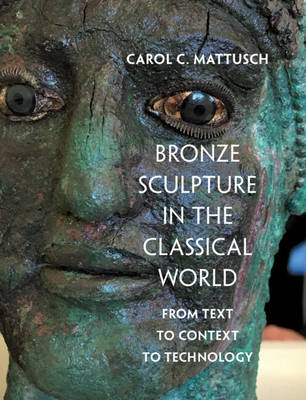
Bronze Sculpture in the Classical World
From Text to Context to Technology
Carol C Mattusch
Hardcover | Engels
€ 201,95
+ 403 punten
Omschrijving
Bronze was a prized medium for sculpture in the classical world, as reflected by the remnants of the thousands of bronze statues of gods, dignitaries, and intellectuals that once filled its cities and sanctuaries. Today, only a few hundred statues are preserved, counting heads without bodies and bodies missing heads and limbs. Fortunately, the few survivors - pieces of bronze statues, scraps dumped by ancient bronze foundries, ancient texts, and occasional new finds - offer invaluable insights into the ancient bronze statuary industry. In this magisterial work, Carol Mattusch brings her deep knowledge of ancient technology to the study of bronze sculpture from multiple perspectives. Analyzing ancient literary testimonia together with the material evidence, she charts the production process from start to finished statues and to modern workshop analogies. Exploring standards for size, appearance, and placement of classical public statuary, her volume also considers issues related to Roman private collections of bronzes, including taste, production, means of acquisition, display, and loss or occasional survival of ancient bronzes.
Specificaties
Betrokkenen
- Auteur(s):
- Uitgeverij:
Inhoud
- Aantal bladzijden:
- 400
- Taal:
- Engels
Eigenschappen
- Productcode (EAN):
- 9781009474276
- Verschijningsdatum:
- 31/05/2026
- Uitvoering:
- Hardcover
- Formaat:
- Genaaid


Alleen bij Standaard Boekhandel
+ 403 punten op je klantenkaart van Standaard Boekhandel

Beoordelingen
We publiceren alleen reviews die voldoen aan de voorwaarden voor reviews. Bekijk onze voorwaarden voor reviews.