


- Afhalen na 1 uur in een winkel met voorraad
- Gratis thuislevering in België vanaf € 30
- Ruim aanbod met 7 miljoen producten
- Afhalen na 1 uur in een winkel met voorraad
- Gratis thuislevering in België vanaf € 30
- Ruim aanbod met 7 miljoen producten





€ 273,95
+ 547 punten
Uitvoering
Omschrijving
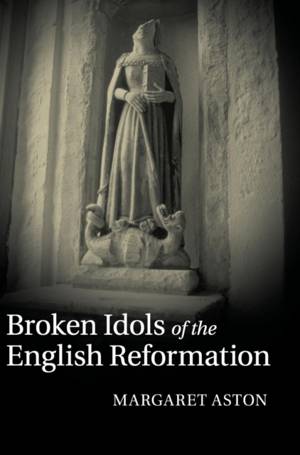
Why were so many religious images and objects broken and damaged in the course of the Reformation? Margaret Aston's magisterial new book charts the conflicting imperatives of destruction and rebuilding throughout the English Reformation from the desecration of images, rails and screens to bells, organs and stained glass windows. She explores the motivations of those who smashed images of the crucifixion in stained glass windows and who pulled down crosses and defaced symbols of the Trinity. She shows that destruction was part of a methodology of religious revolution designed to change people as well as places and to forge in the long term new generations of new believers. Beyond blanked walls and whited windows were beliefs and minds impregnated by new modes of religious learning. Idol-breaking with its emphasis on the treacheries of images fundamentally transformed not only Anglican ways of worship but also of seeing, hearing and remembering.
Specificaties
Betrokkenen
- Auteur(s):
- Uitgeverij:
Inhoud
- Aantal bladzijden:
- 1128
- Taal:
- Engels
Eigenschappen
- Productcode (EAN):
- 9780521770187
- Verschijningsdatum:
- 26/11/2015
- Uitvoering:
- Hardcover
- Formaat:
- Genaaid
- Afmetingen:
- 180 mm x 252 mm
- Gewicht:
- 2317 g


Alleen bij Standaard Boekhandel
+ 547 punten op je klantenkaart van Standaard Boekhandel
Cadeau

AANGERADEN


Beoordelingen
We publiceren alleen reviews die voldoen aan de voorwaarden voor reviews. Bekijk onze voorwaarden voor reviews.