


- Afhalen na 1 uur in een winkel met voorraad
- Gratis thuislevering in België vanaf € 30
- Ruim aanbod met 7 miljoen producten
- Afhalen na 1 uur in een winkel met voorraad
- Gratis thuislevering in België vanaf € 30
- Ruim aanbod met 7 miljoen producten





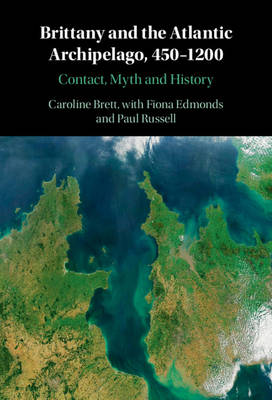
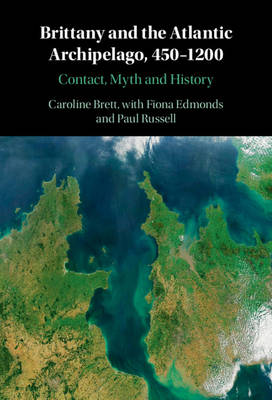
Brittany and the Atlantic Archipelago, 450-1200
Contact, Myth and History
Caroline Brett
Hardcover | Engels
€ 191,95
+ 383 punten
Uitvoering
Omschrijving
How did Brittany get its name and its British-Celtic language in the centuries after the collapse of the Western Roman Empire? Beginning in the ninth century, scholars have proposed a succession of theories about Breton origins, influenced by the changing relationships between Brittany, its Continental neighbours, and the 'Atlantic Archipelago' during and after the Viking age and the Norman Conquest. However, due to limited records, the history of medieval Brittany remains a relatively neglected area of research. In this new volume, the authors draw on specialised research in the history of language and literature, archaeology, and the cult of saints, to tease apart the layers of myth and historical record. Brittany retained a distinctive character within the typical 'medieval' forces of kingship, lordship, and ecclesiastical hierarchy. The early history of Brittany is richly fascinating, and this new investigation offers a fresh perspective on the region and early medieval Europe in general.
Specificaties
Betrokkenen
- Auteur(s):
- Uitgeverij:
Inhoud
- Aantal bladzijden:
- 496
- Taal:
- Engels
Eigenschappen
- Productcode (EAN):
- 9781108486514
- Verschijningsdatum:
- 28/10/2021
- Uitvoering:
- Hardcover
- Formaat:
- Genaaid
- Afmetingen:
- 152 mm x 229 mm
- Gewicht:
- 825 g


Alleen bij Standaard Boekhandel
+ 383 punten op je klantenkaart van Standaard Boekhandel
Cadeau

AANGERADEN


Beoordelingen
We publiceren alleen reviews die voldoen aan de voorwaarden voor reviews. Bekijk onze voorwaarden voor reviews.