


- Afhalen na 1 uur in een winkel met voorraad
- Gratis thuislevering in België vanaf € 30
- Ruim aanbod met 7 miljoen producten
- Afhalen na 1 uur in een winkel met voorraad
- Gratis thuislevering in België vanaf € 30
- Ruim aanbod met 7 miljoen producten




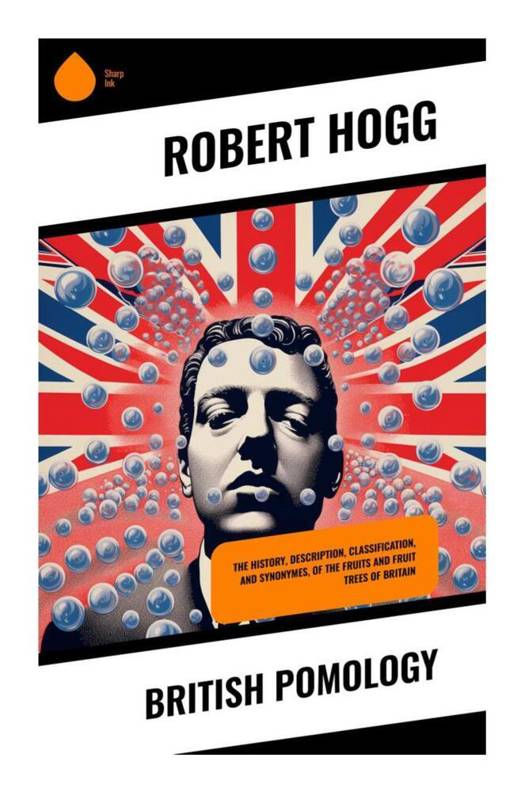
British Pomology
The History, Description, Classification, and Synonymes, of the Fruits and Fruit Trees of Britain
Robert Hogg
Paperback | Engels
€ 39,45
+ 78 punten
Omschrijving
In "British Pomology," Robert Hogg meticulously catalogs the rich diversity of British fruit trees and their cultivars, reflecting a profound understanding of horticulture and pomology. This seminal work, characterized by its detailed illustrations and systematic classification, serves as a crucial reference for both amateur gardeners and professional horticulturists alike. Hogg's clear, didactic prose is complemented by a keen observational style, making complex botanical concepts accessible to a wide audience. Contextually, the book emerges from the Victorian era's burgeoning interest in agriculture and self-sufficiency, contributing to an enhanced appreciation for native British fruits. Robert Hogg, a prominent figure in 19th-century horticulture, was deeply influenced by his upbringing in a farming community. His expertise was recognized through his leadership in various horticultural societies, and his extensive travels across Europe to study fruit cultivation enriched his perspective. These experiences culminated in "British Pomology," which is both a reflection of his passion for fruit cultivation and a fulfillment of his desire to educate others about the importance and potential of British pomes. This book is highly recommended for anyone eager to explore the historical and practical aspects of fruit cultivation in Britain. Whether you are a seasoned gardener or a novice, Hogg's comprehensive guide will inspire a greater appreciation for the nuanced beauty and utility of British fruits, encouraging readers to engage with their gardening practices in a more informed and passionate way.
Specificaties
Betrokkenen
- Auteur(s):
- Uitgeverij:
Inhoud
- Aantal bladzijden:
- 1104
- Taal:
- Engels
Eigenschappen
- Productcode (EAN):
- 9788028341640
- Uitvoering:
- Paperback
- Afmetingen:
- 152 mm x 58 mm
- Gewicht:
- 1537 g


Alleen bij Standaard Boekhandel
+ 78 punten op je klantenkaart van Standaard Boekhandel
CADEAU


Beoordelingen
We publiceren alleen reviews die voldoen aan de voorwaarden voor reviews. Bekijk onze voorwaarden voor reviews.