


- Afhalen na 1 uur in een winkel met voorraad
- Gratis thuislevering in België vanaf € 30
- Ruim aanbod met 7 miljoen producten
- Afhalen na 1 uur in een winkel met voorraad
- Gratis thuislevering in België vanaf € 30
- Ruim aanbod met 7 miljoen producten





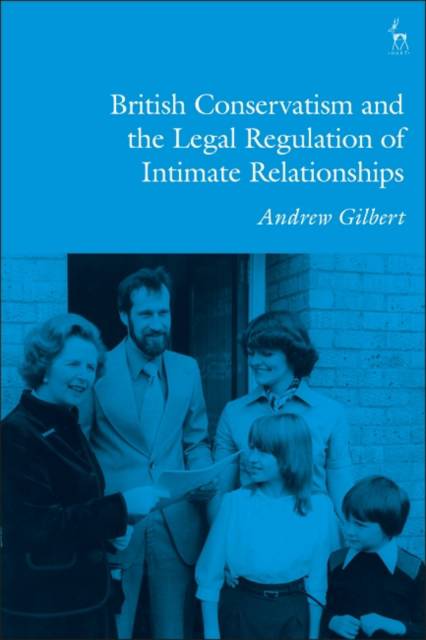
British Conservatism and the Legal Regulation of Intimate Relationships
Andrew Gilbert
Hardcover | Engels
€ 203,95
+ 407 punten
Omschrijving
What does conservatism, as a body of political thought, say about the legal regulation of intimate relationships, and to what extent has this thought influenced the Conservative Party's approach to family law? With this question as its focus, this book explores the relationship between family law, conservatism and the Conservative Party since the 1980s. Taking a politico- and socio-legal perspective, the discussion draws on an expansive reading of Hansard as well as recently released archival material. The study first sets out the political tradition of conservatism, relying largely on the work of Edmund Burke, before going on to analyse the discourse around the development of four crucial statutes in the field, namely: the Matrimonial and Family Proceedings Act 1984; the Family Law Act 1996; the Civil Partnership Act 2004; and the Marriage (Same Sex Couples) Act 2013. This work offers the first extended synthesis of family law, conservative political thought and Conservative Party politics, and as such provides significant new insight into how family law is made.
Specificaties
Betrokkenen
- Auteur(s):
- Uitgeverij:
Inhoud
- Aantal bladzijden:
- 256
- Taal:
- Engels
Eigenschappen
- Productcode (EAN):
- 9781509915880
- Verschijningsdatum:
- 23/08/2018
- Uitvoering:
- Hardcover
- Formaat:
- Genaaid
- Afmetingen:
- 160 mm x 236 mm
- Gewicht:
- 521 g



Alleen bij Standaard Boekhandel
+ 407 punten op je klantenkaart van Standaard Boekhandel
Cadeau

AANGERADEN


Beoordelingen
We publiceren alleen reviews die voldoen aan de voorwaarden voor reviews. Bekijk onze voorwaarden voor reviews.