


- Afhalen na 1 uur in een winkel met voorraad
- Gratis thuislevering in België vanaf € 30
- Ruim aanbod met 7 miljoen producten
- Afhalen na 1 uur in een winkel met voorraad
- Gratis thuislevering in België vanaf € 30
- Ruim aanbod met 7 miljoen producten





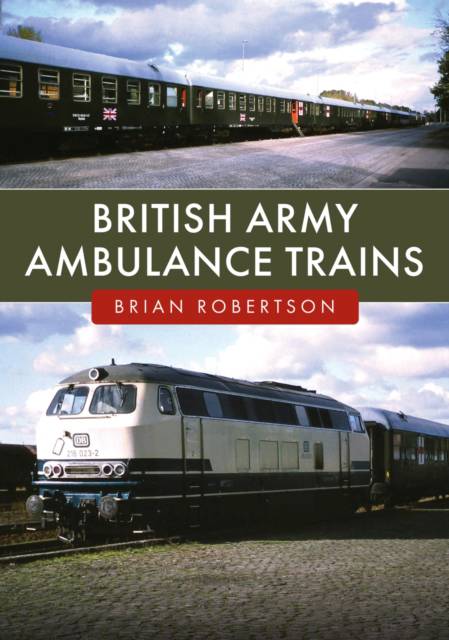
Omschrijving
Railway wagons were first used by the British to carry sick and wounded members of the military during the Crimean War in 1855. Specially converted British hospital trains first appeared in the South African War of 1899-1902. In the First and Second World Wars British forces - army and navy - developed an intensive system of ambulance trains with medical staff and facilities on board to ferry the wounded away from the battlefields of Europe to the Channel ports. Ambulance trains were widely used within Great Britain to distribute casualties to hospitals all around the country. Also, in both world wars, the US Army in Europe operated ambulance trains in support of the British using British rolling stock. Their use continued into the Korean War and in the Cold War the British Army of the Rhine had a fleet of ambulance trains ready for use in Germany in the event of conflict in Northern Europe. Whether your interest is railway, military or medical history, Brian Robertson presents a detailed history of the use of ambulance trains by British forces from their beginnings in the nineteenth century through to the Cold War, featuring rare historical photographs and drawings.
Specificaties
Betrokkenen
- Auteur(s):
- Uitgeverij:
Inhoud
- Aantal bladzijden:
- 128
- Taal:
- Engels
Eigenschappen
- Productcode (EAN):
- 9781398123434
- Verschijningsdatum:
- 15/07/2025
- Uitvoering:
- Paperback
- Formaat:
- Trade paperback (VS)
- Afmetingen:
- 165 mm x 234 mm
- Gewicht:
- 411 g


Alleen bij Standaard Boekhandel
+ 47 punten op je klantenkaart van Standaard Boekhandel
AANGERADEN


Beoordelingen
We publiceren alleen reviews die voldoen aan de voorwaarden voor reviews. Bekijk onze voorwaarden voor reviews.