


- Afhalen na 1 uur in een winkel met voorraad
- Gratis thuislevering in België vanaf € 30
- Ruim aanbod met 7 miljoen producten
- Afhalen na 1 uur in een winkel met voorraad
- Gratis thuislevering in België vanaf € 30
- Ruim aanbod met 7 miljoen producten





€ 343,45
+ 686 punten
Omschrijving
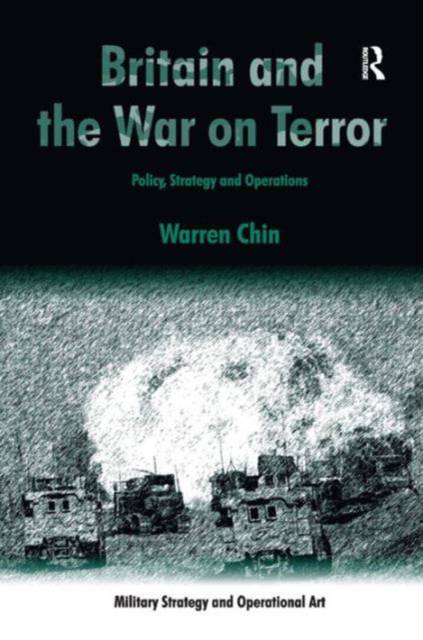
This book is an analysis of Britain's war against Al Qaeda and the phenomenon of international terrorism which marked a paradigm shift in the nature and conduct of war in the twenty-first century. At the heart of the book is an attempt to understand why Britain, which possessed a wealth of experience in the conduct of counterterrorism, counterinsurgency and small wars, developed a strategic and operational design to defeat the Islamist threat which proved to be deeply flawed. In addressing this question the book explores the complex intellectual, doctrinal and geopolitical challenge posed by Al Qaeda and international terrorism and how and why the British response took the form that it did.
Specificaties
Betrokkenen
- Auteur(s):
- Uitgeverij:
Inhoud
- Aantal bladzijden:
- 250
- Taal:
- Engels
- Reeks:
Eigenschappen
- Productcode (EAN):
- 9780754677802
- Verschijningsdatum:
- 28/06/2013
- Uitvoering:
- Hardcover
- Formaat:
- Genaaid
- Afmetingen:
- 156 mm x 234 mm
- Gewicht:
- 530 g



Alleen bij Standaard Boekhandel
+ 686 punten op je klantenkaart van Standaard Boekhandel
CADEAU

AANGERADEN


Beoordelingen
We publiceren alleen reviews die voldoen aan de voorwaarden voor reviews. Bekijk onze voorwaarden voor reviews.