


- Afhalen na 1 uur in een winkel met voorraad
- Gratis thuislevering in België vanaf € 30
- Ruim aanbod met 7 miljoen producten
- Afhalen na 1 uur in een winkel met voorraad
- Gratis thuislevering in België vanaf € 30
- Ruim aanbod met 7 miljoen producten





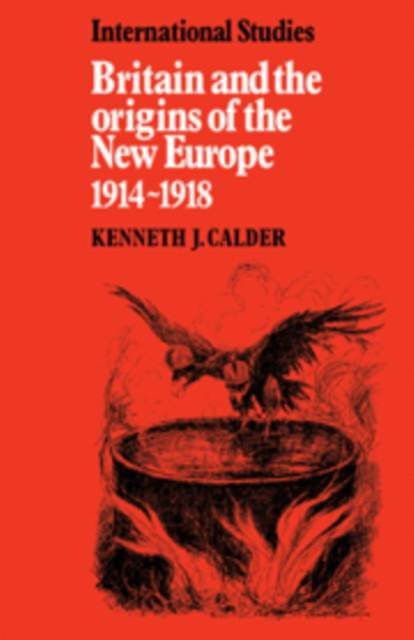
Britain and the Origins of the New Europe 1914-1918
Kenneth J Calder
€ 67,95
+ 135 punten
Omschrijving
In 1914 the British government was not interested in national self-determination in eastern Europe, but by November 1918 it was deeply involved with various eastern European subject nationalities and was committed by implication to their independence. This book attempts to explain this evolution in British policy in the case of the Poles, Czechoslovaks and Yugoslavs, the three most important subject nationalities in eastern Europe. The book is based primarily on the official records of the British government, which have been supplemented with material from private collections. Dr Calder argues that British policy on national self-determination developed not as a result of theoretical speculations but of the wartime relations between the government and the Polish, Czechoslovak and Yugoslav national organizations. This book traces the evolution in British relations with the Polish, Czechoslovak and Yugoslav nationality organizations from August 1914 to November 1918. It shows how the initial contacts were established and how relations developed gradually as the government sought to use these organisations in propaganda, espionage and the formation of military units. It attempts to assess the effects of this co-operation on the attitudes of British officials and the policy of the government.
Specificaties
Betrokkenen
- Auteur(s):
- Uitgeverij:
Inhoud
- Aantal bladzijden:
- 280
- Taal:
- Engels
- Reeks:
Eigenschappen
- Productcode (EAN):
- 9780521090209
- Verschijningsdatum:
- 20/11/2008
- Uitvoering:
- Paperback
- Formaat:
- Trade paperback (VS)
- Afmetingen:
- 140 mm x 216 mm
- Gewicht:
- 358 g



Alleen bij Standaard Boekhandel
+ 135 punten op je klantenkaart van Standaard Boekhandel
Cadeau

AANGERADEN


Beoordelingen
We publiceren alleen reviews die voldoen aan de voorwaarden voor reviews. Bekijk onze voorwaarden voor reviews.