


- Afhalen na 1 uur in een winkel met voorraad
- Gratis thuislevering in België vanaf € 30
- Ruim aanbod met 7 miljoen producten
- Afhalen na 1 uur in een winkel met voorraad
- Gratis thuislevering in België vanaf € 30
- Ruim aanbod met 7 miljoen producten





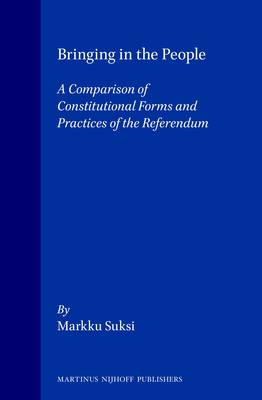
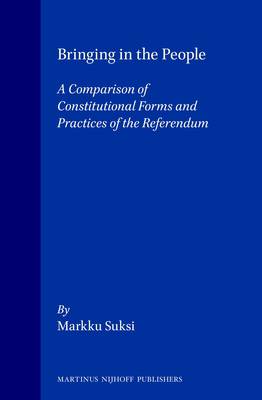
Bringing in the People
A Comparison of Constitutional Forms and Practices of the Referendum
Markku Suksi
Hardcover | Engels
€ 430,45
+ 860 punten
Omschrijving
The referendum is not a monolithic method of national decision making. There are a multitude of referendum forms which exist under varying constitutional conditions and operate in different ways. A global comparison shows that more than half the constitutions of the world provide for the referendum at a national level, but referendums are also carried out without explicit constitutional support. Two main forms of referendum can be observed, the mandatory constitutional referendum and the policy vote. This book argues that the referendum does not undermine representative decision making, but supplements it in various ways: the referendum is not diametrically opposed to representative government, and when properly designed and used, the institution of the referendum can enhance the legitimacy of a constitutional and political system. This book is the first comprehensive constitutional and comparative analysis of the referendum. It offers illuminating and intriguing reading for all those interested in national decision making.
Specificaties
Betrokkenen
- Auteur(s):
- Uitgeverij:
Inhoud
- Aantal bladzijden:
- 324
- Taal:
- Engels
Eigenschappen
- Productcode (EAN):
- 9780792322085
- Verschijningsdatum:
- 1/03/1993
- Uitvoering:
- Hardcover
- Formaat:
- Genaaid
- Afmetingen:
- 157 mm x 236 mm
- Gewicht:
- 598 g


Alleen bij Standaard Boekhandel
+ 860 punten op je klantenkaart van Standaard Boekhandel
Cadeau

AANGERADEN


Beoordelingen
We publiceren alleen reviews die voldoen aan de voorwaarden voor reviews. Bekijk onze voorwaarden voor reviews.