


- Afhalen na 1 uur in een winkel met voorraad
- Gratis thuislevering in België vanaf € 30
- Ruim aanbod met 7 miljoen producten
- Afhalen na 1 uur in een winkel met voorraad
- Gratis thuislevering in België vanaf € 30
- Ruim aanbod met 7 miljoen producten





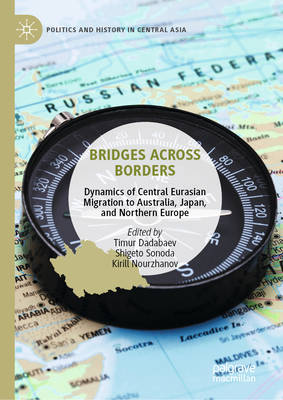
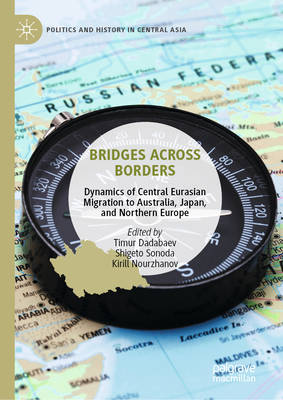
Bridges Across Borders
Dynamics of Central Eurasian Migration to Australia, Japan, and Northern Europe
€ 198,45
Omschrijving
This volume explores emerging patterns of migration from Central Asia to underrepresented destinations such as Australia, Japan, South Korea, Nordic countries, and Türkiye. It critically examines diverse dimensions of mobility--labor migration, student migration, return migration, gendered experiences, diaspora activism, digital media, and host country responses--through empirically grounded and theoretically rich chapters. Drawing on in-depth case studies and fieldwork, this volume contributes to global migration studies while offering unique insights into post-Soviet identity transformations and comparative integration experiences.
It also responds to pressing contemporary concerns, including Russian migration to Central Asia post-Ukraine invasion, migration governance during COVID-19, and gender advocacy through digital platforms in authoritarian contexts. The chapters bring together voices from early-career and senior scholars, combining interdisciplinary perspectives from sociology, international relations, political science, anthropology, and media studies.
Specificaties
Betrokkenen
- Uitgeverij:
Inhoud
- Aantal bladzijden:
- 412
- Taal:
- Engels
- Reeks:
Eigenschappen
- Productcode (EAN):
- 9789819548668
- Verschijningsdatum:
- 30/05/2026
- Uitvoering:
- Hardcover
- Formaat:
- Genaaid
- Afmetingen:
- 148 mm x 210 mm

Alleen bij Standaard Boekhandel
Cadeau

AANGERADEN


Beoordelingen
We publiceren alleen reviews die voldoen aan de voorwaarden voor reviews. Bekijk onze voorwaarden voor reviews.