



Je cadeautjes zeker op tijd in huis hebben voor de feestdagen? Kom langs in onze winkels en vind het perfecte geschenk!
- Afhalen na 1 uur in een winkel met voorraad
- Gratis thuislevering in België vanaf € 30
- Ruim aanbod met 7 miljoen producten
Je cadeautjes zeker op tijd in huis hebben voor de feestdagen? Kom langs in onze winkels en vind het perfecte geschenk!
- Afhalen na 1 uur in een winkel met voorraad
- Gratis thuislevering in België vanaf € 30
- Ruim aanbod met 7 miljoen producten





€ 8,86
+ 8 punten
Omschrijving
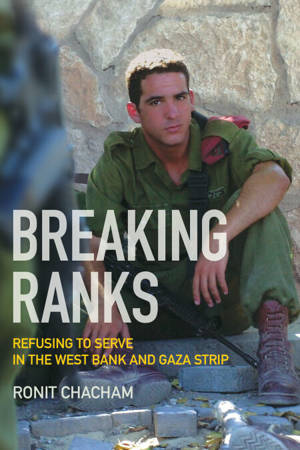
Originally published in 2003 following the Second Intifada, a series of powerful conversations with Israeli soldiers who refused to serve in the West Bank and Gaza.
In 2002, fifty-two members of the Israel Defense Forces signed an open letter, published in the Israeli newspaper Haaretz, detailing why they refused to serve in Gaza and the West Bank. A year later, the movement counted more than five hundred of these “refuseniks.” In a series of moving and provocative conversations, nine members of the movement tell why they refused “to fight beyond the 1967 borders in order to dominate, expel, starve, and humiliate an entire people.”
These nine refuseniks are sergeants, majors, or lieutenants; their names are Guy, Assaf, Rami, Yaniv, Tal, Shamai, Yuval, Ishay, and David. They tell of their individual family backgrounds and beliefs, and as they share their stories of personal and moral struggle, they also raise the disturbing issue of human rights abuses by the Israeli army in the occupied territories.
Through these personal accounts, the refuseniks offer new perspectives on entrenched ideas about the Israeli–Palestinian conflict. Their voices carry a message that is much needed and sorely lacking in our discourse about the current crisis: one of hope and humanity.
In 2002, fifty-two members of the Israel Defense Forces signed an open letter, published in the Israeli newspaper Haaretz, detailing why they refused to serve in Gaza and the West Bank. A year later, the movement counted more than five hundred of these “refuseniks.” In a series of moving and provocative conversations, nine members of the movement tell why they refused “to fight beyond the 1967 borders in order to dominate, expel, starve, and humiliate an entire people.”
These nine refuseniks are sergeants, majors, or lieutenants; their names are Guy, Assaf, Rami, Yaniv, Tal, Shamai, Yuval, Ishay, and David. They tell of their individual family backgrounds and beliefs, and as they share their stories of personal and moral struggle, they also raise the disturbing issue of human rights abuses by the Israeli army in the occupied territories.
Through these personal accounts, the refuseniks offer new perspectives on entrenched ideas about the Israeli–Palestinian conflict. Their voices carry a message that is much needed and sorely lacking in our discourse about the current crisis: one of hope and humanity.
Specificaties
Betrokkenen
- Auteur(s):
- Uitgeverij:
Inhoud
- Aantal bladzijden:
- 176
- Taal:
- Engels
Eigenschappen
- Productcode (EAN):
- 9781635425475
- Verschijningsdatum:
- 16/12/2024
- Uitvoering:
- E-book
- Beveiligd met:
- Adobe DRM
- Formaat:
- ePub


Alleen bij Standaard Boekhandel
+ 8 punten op je klantenkaart van Standaard Boekhandel
CADEAU


Beoordelingen
We publiceren alleen reviews die voldoen aan de voorwaarden voor reviews. Bekijk onze voorwaarden voor reviews.