


- Afhalen na 1 uur in een winkel met voorraad
- Gratis thuislevering in België vanaf € 30
- Ruim aanbod met 7 miljoen producten
- Afhalen na 1 uur in een winkel met voorraad
- Gratis thuislevering in België vanaf € 30
- Ruim aanbod met 7 miljoen producten





€ 24,45
+ 48 punten
Uitvoering
Omschrijving
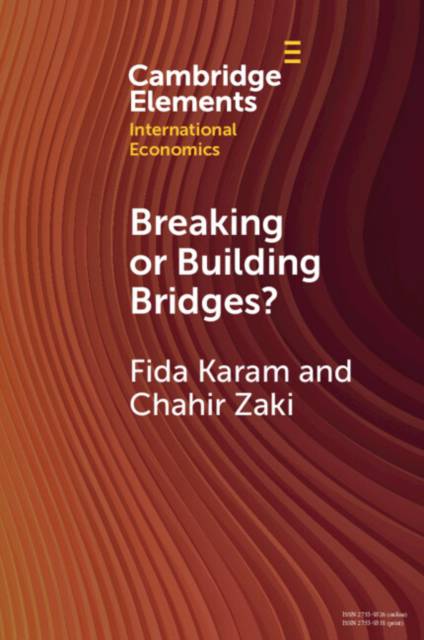
This Element presents the main characteristics of international trade in the Middle East and North Africa (MENA) region by analyzing whether its trade policy managed to build or break bridges among MENA countries and with the rest of the world. Its objective is threefold. First, it provides an overview of trade theories from the MENA region perspective. Second, it analyzes the main trends and features of trade flows and trade policies. Third, it shows how trade policies had different development outcomes related to gender, informal employment, and the composition of labor demand. The main findings show that trade policies and domestic characteristics explain the relatively poor performance of trade flows in most of the diversified MENA economies. Also, the MENA region is highly affected by world business cycles given that this region is the largest exporter of oil. Finally, development outcomes still need to be streamlined within trade policies.
Specificaties
Betrokkenen
- Auteur(s):
- Uitgeverij:
Inhoud
- Aantal bladzijden:
- 75
- Taal:
- Engels
- Reeks:
Eigenschappen
- Productcode (EAN):
- 9781009516365
- Verschijningsdatum:
- 4/06/2026
- Uitvoering:
- Paperback
- Formaat:
- Trade paperback (VS)



Alleen bij Standaard Boekhandel
+ 48 punten op je klantenkaart van Standaard Boekhandel
Cadeau

AANGERADEN


Beoordelingen
We publiceren alleen reviews die voldoen aan de voorwaarden voor reviews. Bekijk onze voorwaarden voor reviews.