


- Afhalen na 1 uur in een winkel met voorraad
- Gratis thuislevering in België vanaf € 30
- Ruim aanbod met 7 miljoen producten
- Afhalen na 1 uur in een winkel met voorraad
- Gratis thuislevering in België vanaf € 30
- Ruim aanbod met 7 miljoen producten





€ 19,45
+ 38 punten
Omschrijving
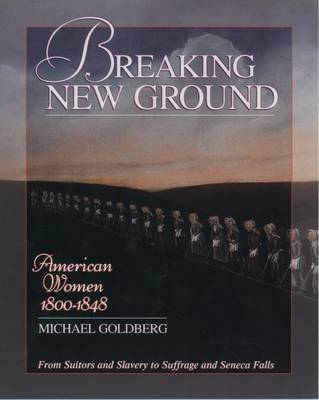
At the beginning of the 19th century, the Industrial Revolution lured many Americans from farms to the cities, creating new opportunities and new limitations for women. Some women were forced to look for work in the few occupations open to them, while others became full-time homemakers. Americans constructed new ways of thinking about the "proper roles" of women and men, with women as the moral educators in the private sphere of home and church while men participated in the public sphere of business and politics. By 1848, with the first women's rights convention at Seneca Falls, some women were exposing how these conditions and ideas kept them from achieving their highest potential. Even before this revolutionary event, women mill workers, African-American slaves, and others were resisting their oppressive conditions in a variety of ways. Michael Goldberg shows readers how women began to understand their ability to influence events through education, religion, and anti-slavery societies, and he discusses the hopes and concerns about marriage and courtship of both slave and free women, and how changes in personal relationships reflected changes in society at large. Emma Willard, one of the earliest proponents of expanded female education, Margaret Fuller, abolitionists Angelina and Sarah Grimké, Mother Seton, Lucy Stone, Harriet Beecher Stowe, and Lydia Maria Child are but a few who left their marks as women began breaking new ground.
Specificaties
Betrokkenen
- Auteur(s):
- Uitgeverij:
Inhoud
- Aantal bladzijden:
- 144
- Taal:
- Engels
- Reeks:
- Reeksnummer:
- nr. 4
Eigenschappen
- Productcode (EAN):
- 9780195124026
- Verschijningsdatum:
- 26/03/1998
- Uitvoering:
- Paperback
- Formaat:
- Trade paperback (VS)
- Afmetingen:
- 188 mm x 235 mm
- Gewicht:
- 303 g


Alleen bij Standaard Boekhandel
+ 38 punten op je klantenkaart van Standaard Boekhandel
Cadeau

AANGERADEN


Beoordelingen
We publiceren alleen reviews die voldoen aan de voorwaarden voor reviews. Bekijk onze voorwaarden voor reviews.