


- Afhalen na 1 uur in een winkel met voorraad
- Gratis thuislevering in België vanaf € 30
- Ruim aanbod met 7 miljoen producten
- Afhalen na 1 uur in een winkel met voorraad
- Gratis thuislevering in België vanaf € 30
- Ruim aanbod met 7 miljoen producten





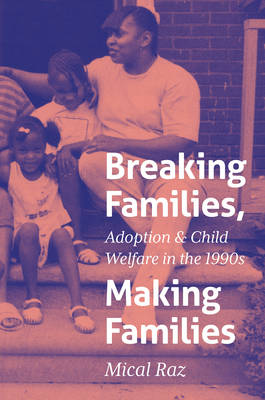
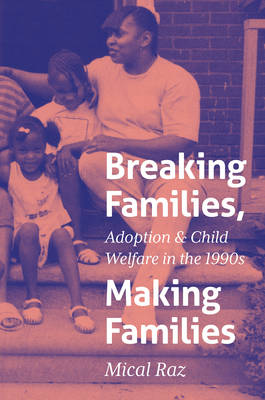
Breaking Families, Making Families
Adoption and Child Welfare in the 1990s
Mical Raz
Hardcover | Engels
€ 167,95
+ 335 punten
Uitvoering
Omschrijving
Families in the United States experience child abuse investigations, the removal of children from their homes, and the termination of parental rights at higher rates than peer countries. Yet this does not make them safer and comes at a cost. As a historian and practicing doctor, Mical Raz asks how American society came to accept punitive interventionist policies that prioritize termination of parental rights. These practices "free" children for adoption, which leads to the devastation of families and communities and the creation of "legal orphans"--children who have no legal ties to their families of origin.
Drawing on original archival sources, legislative documents, and oral histories, Raz argues that adoption is not the inevitable solution to a child welfare system in crisis, maps the political history of this shift in child welfare policymaking--exemplified in the passage of the 1997 Adoption and Safe Families Act--and proposes future reforms.
Drawing on original archival sources, legislative documents, and oral histories, Raz argues that adoption is not the inevitable solution to a child welfare system in crisis, maps the political history of this shift in child welfare policymaking--exemplified in the passage of the 1997 Adoption and Safe Families Act--and proposes future reforms.
Specificaties
Betrokkenen
- Auteur(s):
- Uitgeverij:
Inhoud
- Aantal bladzijden:
- 240
- Taal:
- Engels
Eigenschappen
- Productcode (EAN):
- 9781469694672
- Verschijningsdatum:
- 22/09/2026
- Uitvoering:
- Hardcover
- Formaat:
- Genaaid
- Afmetingen:
- 155 mm x 235 mm


Alleen bij Standaard Boekhandel
+ 335 punten op je klantenkaart van Standaard Boekhandel
Cadeau

AANGERADEN


Beoordelingen
We publiceren alleen reviews die voldoen aan de voorwaarden voor reviews. Bekijk onze voorwaarden voor reviews.