


- Afhalen na 1 uur in een winkel met voorraad
- Gratis thuislevering in België vanaf € 30
- Ruim aanbod met 7 miljoen producten
- Afhalen na 1 uur in een winkel met voorraad
- Gratis thuislevering in België vanaf € 30
- Ruim aanbod met 7 miljoen producten





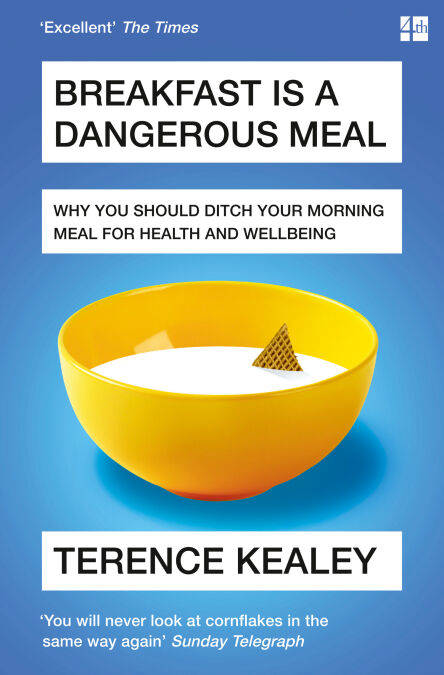
Breakfast is a Dangerous Meal E-BOOK
Why You Should Ditch Your Morning Meal For Health and Wellbeing
Terence Kealey
E-book | Engels
€ 8,49
+ 8 punten
Uitvoering
Omschrijving
Breakfast may be the most important meal of the day, but only if we skip it.
Since Victorian times, we have been told to breakfast like kings and dine like paupers. In the wake of his own type 2 diabetes diagnosis, Professor Terence Kealey was given the same advice. He soon noticed that his glucose levels were unusually high after eating first thing in the morning. But if he continued to fast until lunchtime they fell to a normal level. Professor Kealey began to question how much evidence there was to support the advice he’d been given, and whether there might be an advantage for some to not eating breakfast after all.
Breakfast is a Dangerous Meal asks:
What is the reliable scientific and medical evidence for eating breakfast?
Why do people suppose that eating breakfast reduces the total amount of food they consume over the day, when the opposite is true?
Who should consider intermittent fasting by removing breakfast from their daily routine?
From weight loss to reduced blood pressure, what are the potential benefits of missing breakfast?
Since Victorian times, we have been told to breakfast like kings and dine like paupers. In the wake of his own type 2 diabetes diagnosis, Professor Terence Kealey was given the same advice. He soon noticed that his glucose levels were unusually high after eating first thing in the morning. But if he continued to fast until lunchtime they fell to a normal level. Professor Kealey began to question how much evidence there was to support the advice he’d been given, and whether there might be an advantage for some to not eating breakfast after all.
Breakfast is a Dangerous Meal asks:
What is the reliable scientific and medical evidence for eating breakfast?
Why do people suppose that eating breakfast reduces the total amount of food they consume over the day, when the opposite is true?
Who should consider intermittent fasting by removing breakfast from their daily routine?
From weight loss to reduced blood pressure, what are the potential benefits of missing breakfast?
Specificaties
Betrokkenen
- Auteur(s):
- Uitgeverij:
Inhoud
- Aantal bladzijden:
- 352
- Taal:
- Engels
Eigenschappen
- Productcode (EAN):
- 9780008172350
- Verschijningsdatum:
- 28/12/2016
- Uitvoering:
- E-book
- Beveiligd met:
- Adobe DRM
- Formaat:
- ePub


Alleen bij Standaard Boekhandel
+ 8 punten op je klantenkaart van Standaard Boekhandel
Cadeau

AANGERADEN


Beoordelingen
We publiceren alleen reviews die voldoen aan de voorwaarden voor reviews. Bekijk onze voorwaarden voor reviews.