


- Afhalen na 1 uur in een winkel met voorraad
- Gratis thuislevering in België vanaf € 30
- Ruim aanbod met 7 miljoen producten
- Afhalen na 1 uur in een winkel met voorraad
- Gratis thuislevering in België vanaf € 30
- Ruim aanbod met 7 miljoen producten




Omschrijving
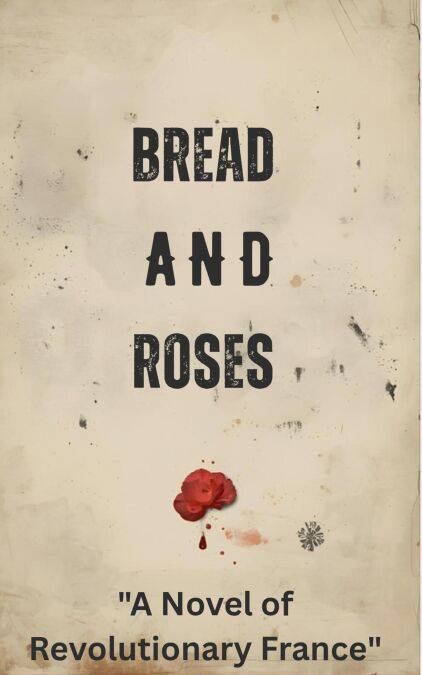
Paris, 1789. Marguerite Baudin is twenty-two years old, a dye worker who has known hunger all her life. When the Bastille falls, she stands in the crowd and tastes blood and smoke and possibility. The old world is dying. A new one is being born. And for the first time, she believes that people like her the poor, the forgotten, the ones who've always been told to wait might finally have a voice.
She meets Lucien Valmont, an aristocrat who shares her dreams of reform, and together they navigate the salons and clubs where revolution is debated and planned. She joins the radical women organizing in the streets, demanding not just bread but dignity, not just survival but citizenship. She marches on Versailles. She watches the King put on trial. She tells herself that violence is the price of justice, that the blood being spilled will water something better.
But the revolution is hungry. It devours the innocent and the guilty alike. It turns friends into enemies, ideals into weapons, hope into ash. And Marguerite finds herself caught in a machinery of terror she helped set in motion unable to stop it, unable to escape it, unable to claim innocence.
When the cost of change is measured in corpses, how do you live with what you've done in the name of what you believed?
Specificaties
Betrokkenen
- Auteur(s):
- Uitgeverij:
Inhoud
- Taal:
- Engels
Eigenschappen
- Productcode (EAN):
- 9798233445446
- Verschijningsdatum:
- 22/01/2026
- Uitvoering:
- E-book
- Formaat:
- ePub


Alleen bij Standaard Boekhandel
+ 4 punten op je klantenkaart van Standaard Boekhandel
AANGERADEN


Beoordelingen
We publiceren alleen reviews die voldoen aan de voorwaarden voor reviews. Bekijk onze voorwaarden voor reviews.