


- Afhalen na 1 uur in een winkel met voorraad
- Gratis thuislevering in België vanaf € 30
- Ruim aanbod met 7 miljoen producten
- Afhalen na 1 uur in een winkel met voorraad
- Gratis thuislevering in België vanaf € 30
- Ruim aanbod met 7 miljoen producten





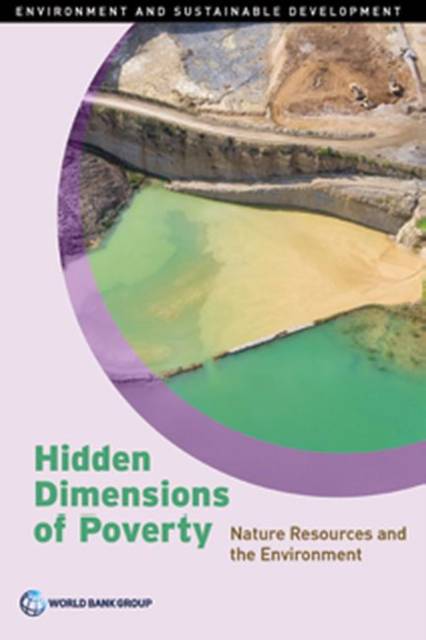
Braving the Storms in the 21st Century
Labor Markets and Shocks in Menaap
Roberta Gatti, Asif Islam, Jesica Torres, Nelly Elmallakh, Sumin Chun
Paperback | Engels
€ 47,45
+ 94 punten
Omschrijving
Over the past 25 years, the Middle East, North Africa, Afghanistan, and Pakistan (MENAAP) have struggled to create enough quality jobs to meet the aspirations of a young population. A dominant state role and a private sector marked by limited dynamism and cronyism have constrained job creation and productivity. At the same time, the region has faced powerful forces-both temporary shocks and secular trends-that have reshaped labor markets in complex ways: extreme weather events linked to climate change, the rise of artificial intelligence (Al), conflict and forced displacement, macroeconomic adjustments, and the COVID-19 pandemic. Some shocks, like the pandemic, may be one-off; others, such as climate change and Al, are enduring. Conflict and displacement remain recurrent pressures. How MENAAP labor markets prepare for and adapt to these challenges will be central to future prosperity. Jobs are critical not only for incomes but also for dignity and social inclusion. Well-functioning labor markets allocate talent efficiently, match skills to productive uses, support upskilling, and enable workers and firms to adjust in response to shocks. For many people-especially the poor-human capital is their principal asset. Yet, MENAAP labor markets have often underperformed on these core functions. This chapeau report examines how MENAAP labor markets have responded to five major shocks in the last quarter century: (i) extreme weather events, (ii) Al, (iii) conflict and forced displacement, (iv) macroeconomic adjustments, and (v) the COVID-19 pandemic. It synthesizes extensive evidence developed under the region's gender and labor research programs led by the Chief Economist Office. The report aims to clarify risks and opportunities across these domains and to inform policies that can foster more resilient, inclusive, and dynamic labor markets capable of harnessing human capital and navigating ongoing change.
Specificaties
Betrokkenen
- Auteur(s):
- Uitgeverij:
Inhoud
- Aantal bladzijden:
- 250
- Taal:
- Engels
Eigenschappen
- Productcode (EAN):
- 9781464812460
- Verschijningsdatum:
- 1/04/2020
- Uitvoering:
- Paperback
- Formaat:
- Trade paperback (VS)
- Afmetingen:
- 216 mm x 254 mm


Alleen bij Standaard Boekhandel
+ 94 punten op je klantenkaart van Standaard Boekhandel
CADEAU

AANGERADEN


Beoordelingen
We publiceren alleen reviews die voldoen aan de voorwaarden voor reviews. Bekijk onze voorwaarden voor reviews.