



Bedankt voor het vertrouwen het afgelopen jaar! Om jou te bedanken bieden we GRATIS verzending (in België) aan op alles gedurende de hele maand januari.
- Afhalen na 1 uur in een winkel met voorraad
- Gratis thuislevering in België vanaf € 30
- Ruim aanbod met 7 miljoen producten
Bedankt voor het vertrouwen het afgelopen jaar! Om jou te bedanken bieden we GRATIS verzending (in België) aan op alles gedurende de hele maand januari.
- Afhalen na 1 uur in een winkel met voorraad
- Gratis thuislevering in België vanaf € 30
- Ruim aanbod met 7 miljoen producten





Omschrijving
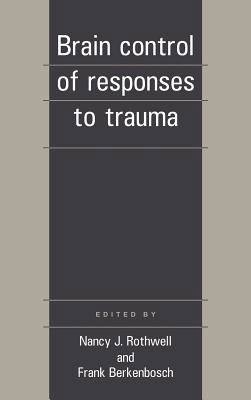
It is becoming increasingly clear that the brain has an important role in the control and integration of the responses to injury and infection. This is the first volume to look in depth at the way the brain responds to trauma and subsequently integrates and influences behavioral, metabolic, neurohumoral, cardiovascular, and immune functions. It is well established that some of these responses, such as fever and neuroendocrine changes are directly influenced by the central nervous system. These, and other more recent advances, provide new insights into this area and provide a basis for more effective understanding and clinical management of trauma patients. The authors, all international authorities in their fields, discuss established and recent data from experimental and clinical studies and consider the implications of these findings for the treatment of the trauma patient. This book will serve as an excellent reference for professionals who deal with trauma or who work in accident and emergency medicine, neuroscience, neuroimmunology and physiology.
Specificaties
Betrokkenen
- Auteur(s):
- Uitgeverij:
Inhoud
- Aantal bladzijden:
- 354
- Taal:
- Engels
Eigenschappen
- Productcode (EAN):
- 9780521419390
- Verschijningsdatum:
- 15/09/1994
- Uitvoering:
- Hardcover
- Formaat:
- Genaaid
- Afmetingen:
- 158 mm x 235 mm
- Gewicht:
- 630 g


Alleen bij Standaard Boekhandel
+ 533 punten op je klantenkaart van Standaard Boekhandel
CADEAU


Beoordelingen
We publiceren alleen reviews die voldoen aan de voorwaarden voor reviews. Bekijk onze voorwaarden voor reviews.