


- Afhalen na 1 uur in een winkel met voorraad
- Gratis thuislevering in België vanaf € 30
- Ruim aanbod met 7 miljoen producten
- Afhalen na 1 uur in een winkel met voorraad
- Gratis thuislevering in België vanaf € 30
- Ruim aanbod met 7 miljoen producten





Omschrijving
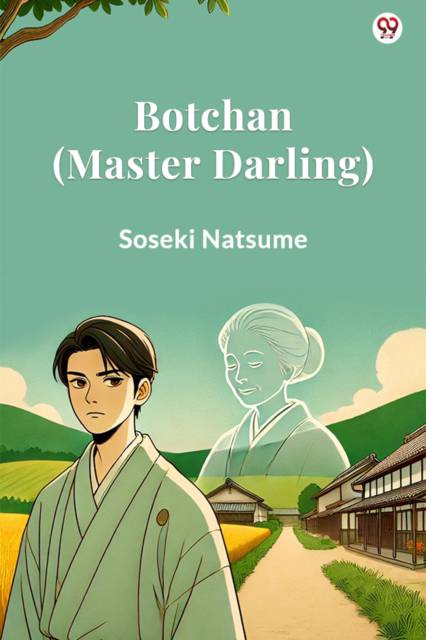
Botchan (Master Darling) is a novel by Soseki Natsume set during Japan's Meiji era, following the adventures of a young, hot-headed protagonist who begins his career as a teacher in a rural town. Through his impulsive actions and direct personality, the story unfolds with humorous events and critiques of societal norms, particularly within educational systems. The protagonist's history is marked by mischief, with childhood incidents revealing his reckless nature and rebellious spirit. After the death of his mother, Botchan experiences a strained relationship with his father and brother, leading him to leave home and seek independence. With little enthusiasm for academics but a strong sense of justice, he accepts a teaching position in a remote school. This decision sets the stage for his encounter with the absurdities and quirky characters of his new environment. The opening chapters establish a tone that is both lighthearted and reflective, hinting at Botchan s struggles within a society full of contradictions, setting the stage for both comedic misadventures and deeper reflections on human nature. The novel's humor and sharp societal observations make it a timeless commentary on the personal and societal conflicts of the time.
Specificaties
Betrokkenen
- Auteur(s):
- Uitgeverij:
Inhoud
- Aantal bladzijden:
- 110
- Taal:
- Engels
Eigenschappen
- Productcode (EAN):
- 9789370810112
- Verschijningsdatum:
- 1/03/2025
- Uitvoering:
- Paperback
- Formaat:
- Trade paperback (VS)
- Afmetingen:
- 140 mm x 216 mm
- Gewicht:
- 136 g



Alleen bij Standaard Boekhandel
+ 41 punten op je klantenkaart van Standaard Boekhandel
Cadeau

AANGERADEN


Beoordelingen
We publiceren alleen reviews die voldoen aan de voorwaarden voor reviews. Bekijk onze voorwaarden voor reviews.