


- Afhalen na 1 uur in een winkel met voorraad
- Gratis thuislevering in België vanaf € 30
- Ruim aanbod met 7 miljoen producten
- Afhalen na 1 uur in een winkel met voorraad
- Gratis thuislevering in België vanaf € 30
- Ruim aanbod met 7 miljoen producten





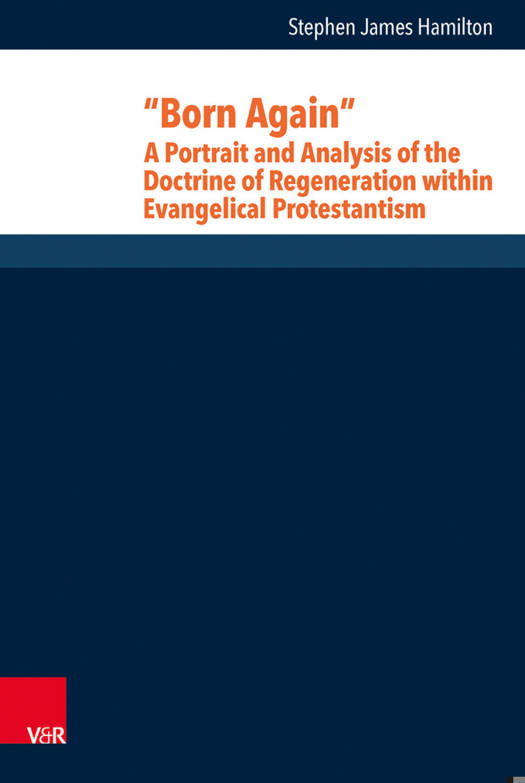
Born Again
A Portrait and Analysis of the Doctrine of Regeneration Within Evangelical Protestantism
Stephen J Hamilton
€ 118,45
+ 236 punten
Omschrijving
Stephen J. Hamilton attempts to create a "portrait" of "born-again" Christianity by providing a general introduction to the doctrine of regeneration, including its development in modernity, as well as short exegeses of relevant scriptural texts, followed by a close reading of four theologians - Philipp Jakob Spener, Jonathan Edwards, Friedrich D.E. Schleiermacher, and Charles G. Finney - who all associate the doctrine of regeneration with an experience of presence in the individual believer.In light of these analyses, he then traces a general theological structure of the "born-again" understanding of regeneration, including a catalogue of theological issues over which there is significant disagreement, in order to create a topography of "born-again" theologies. In the final section, he applies these results to contemporary conversion narratives of non-theologians. It is in such conversion narratives, the author argues, that theologians can discover an implicit, "lived" theology that reveals how doctrines are perceived and put into practice among Christians. Accordingly, this is to be understood as the result of the creative reciprocity between (often tacit) theological convictions and the experiences of the Christian life. The final chapter, as a coda to the entire work, offers some concluding reflections on the present cultural and political situation in the USA pertaining to "born-again" Christianity and argues against any oversimplifications of the relationship between "born-again" theologies, culture, and politics.
Specificaties
Betrokkenen
- Auteur(s):
- Uitgeverij:
Inhoud
- Aantal bladzijden:
- 348
- Taal:
- Engels
- Reeks:
- Reeksnummer:
- nr. 23
Eigenschappen
- Productcode (EAN):
- 9783525604571
- Verschijningsdatum:
- 3/04/2017
- Uitvoering:
- Hardcover
- Formaat:
- Genaaid
- Afmetingen:
- 154 mm x 231 mm
- Gewicht:
- 1837 g


Alleen bij Standaard Boekhandel
+ 236 punten op je klantenkaart van Standaard Boekhandel
Cadeau

AANGERADEN


Beoordelingen
We publiceren alleen reviews die voldoen aan de voorwaarden voor reviews. Bekijk onze voorwaarden voor reviews.