


- Afhalen na 1 uur in een winkel met voorraad
- Gratis thuislevering in België vanaf € 30
- Ruim aanbod met 7 miljoen producten
- Afhalen na 1 uur in een winkel met voorraad
- Gratis thuislevering in België vanaf € 30
- Ruim aanbod met 7 miljoen producten




Omschrijving
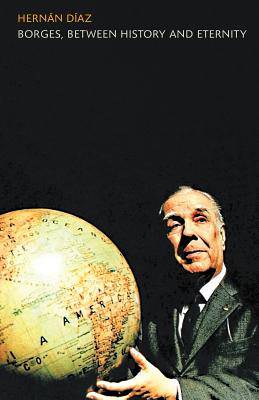
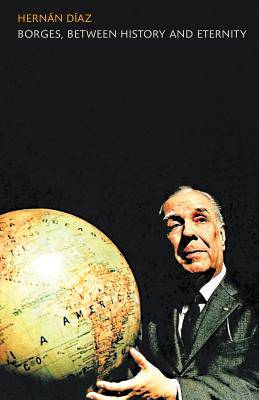
That Borges is one of the key figures in 20th-century literature is beyond debate. The reasons behind this claim, however, are a matter of contention. In Latin America he is read as someone who reorganized the canon, questioned literary hierarchies, and redefined the role of marginal literatures. On the other hand, in the rest of the world, most readers (and dictionaries) tend to identify the adjective "Borgesian" with intricate metaphysical puzzles and labyrinthine speculations of universal reach, completely detached from particular traditions. One reading is context-saturated, while the other is context-deprived. Oddly enough, these "institutional" and "transcendental" approaches have not been pitched against each other in a critical way. Borges, between History and Eternity brings these perspectives together by considering key aspects of Borges's work-the reciprocal determinations of politics, philosophy and literature; the simultaneously confining and emancipating nature of language; and the incipient program for a literature of the Americas.
Specificaties
Betrokkenen
- Auteur(s):
- Uitgeverij:
Inhoud
- Aantal bladzijden:
- 208
- Taal:
- Engels
Eigenschappen
- Productcode (EAN):
- 9781441197795
- Verschijningsdatum:
- 2/08/2012
- Uitvoering:
- Paperback
- Formaat:
- Trade paperback (VS)
- Afmetingen:
- 137 mm x 213 mm
- Gewicht:
- 272 g


Alleen bij Standaard Boekhandel
+ 138 punten op je klantenkaart van Standaard Boekhandel
Cadeau

AANGERADEN


Beoordelingen
We publiceren alleen reviews die voldoen aan de voorwaarden voor reviews. Bekijk onze voorwaarden voor reviews.