


- Afhalen na 1 uur in een winkel met voorraad
- Gratis thuislevering in België vanaf € 30
- Ruim aanbod met 7 miljoen producten
- Afhalen na 1 uur in een winkel met voorraad
- Gratis thuislevering in België vanaf € 30
- Ruim aanbod met 7 miljoen producten





€ 53,45
+ 106 punten
Omschrijving
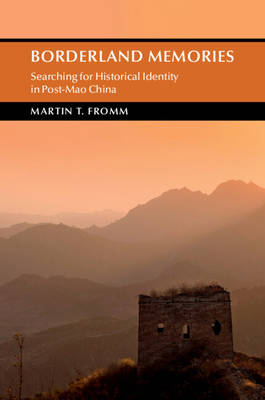
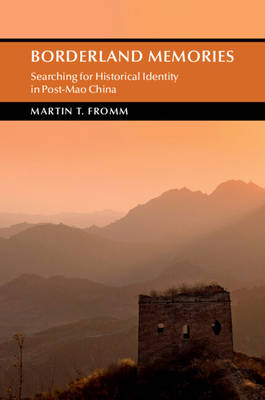
In the 1980s, as China transitioned to the post-Mao era, a state-sponsored oral history project led to the publication of local, regional, and national histories. They took the form of written and transcribed personal testimonies of events that preceded the turmoil of both the Cultural Revolution and, in many cases, the Communist victory in 1949. Known as wenshi ziliao, these publications represent an intense process of historical memory production that has received little scholarly attention. Hitherto unexamined archival materials and oral histories reveal unresolved tensions in post-Cultural Revolution reconciliation and mobilization, informing negotiations between local elites and the state, and between Party and non-Party organizations. Taking the northeast Russia-Manchuria borderlands as a case study, Martin T. Fromm examines the creation of post-Mao identities, political mobilization, and knowledge production in China.
Specificaties
Betrokkenen
- Auteur(s):
- Uitgeverij:
Inhoud
- Aantal bladzijden:
- 308
- Taal:
- Engels
- Reeks:
Eigenschappen
- Productcode (EAN):
- 9781108469289
- Verschijningsdatum:
- 20/10/2022
- Uitvoering:
- Paperback
- Formaat:
- Trade paperback (VS)
- Afmetingen:
- 152 mm x 229 mm
- Gewicht:
- 412 g


Alleen bij Standaard Boekhandel
+ 106 punten op je klantenkaart van Standaard Boekhandel
Cadeau

AANGERADEN


Beoordelingen
We publiceren alleen reviews die voldoen aan de voorwaarden voor reviews. Bekijk onze voorwaarden voor reviews.