


- Afhalen na 1 uur in een winkel met voorraad
- Gratis thuislevering in België vanaf € 30
- Ruim aanbod met 7 miljoen producten
- Afhalen na 1 uur in een winkel met voorraad
- Gratis thuislevering in België vanaf € 30
- Ruim aanbod met 7 miljoen producten





€ 24,45
+ 48 punten
Uitvoering
Omschrijving
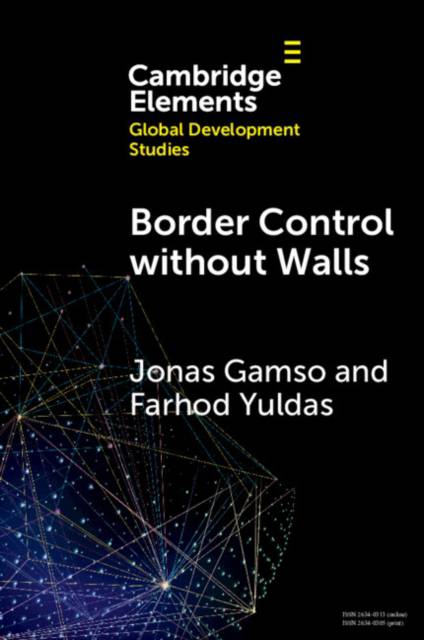
Immigration to Western nations has risen sharply, fueling political backlash and the ascent of far-right, nativist policymakers who favor restrictive migration policies. Yet such restrictions are unlikely to succeed over the long term because they fail to address the root causes that drive people to seek better lives abroad. Foreign aid has long been viewed as a tool for tackling these underlying causes, though its effectiveness in shaping migration remains contested. The recent curtailment of aid by the same governments advancing migration restrictions creates a pivotal moment to reconsider the role and design of aid programs. This volume contributes to that effort by offering a systematic assessment of the intersections between aid and international migration. It identifies four distinct pathways through which aid affects migration and a fifth feedback pathway through which migration influences the allocation of aid, providing a comprehensive framework for future research and policymaking.
Specificaties
Betrokkenen
- Auteur(s):
- Uitgeverij:
Inhoud
- Aantal bladzijden:
- 75
- Taal:
- Engels
- Reeks:
Eigenschappen
- Productcode (EAN):
- 9781009581622
- Verschijningsdatum:
- 30/06/2026
- Uitvoering:
- Paperback
- Formaat:
- Trade paperback (VS)



Alleen bij Standaard Boekhandel
+ 48 punten op je klantenkaart van Standaard Boekhandel
Cadeau

AANGERADEN


Beoordelingen
We publiceren alleen reviews die voldoen aan de voorwaarden voor reviews. Bekijk onze voorwaarden voor reviews.