


- Afhalen na 1 uur in een winkel met voorraad
- Gratis thuislevering in België vanaf € 30
- Ruim aanbod met 7 miljoen producten
- Afhalen na 1 uur in een winkel met voorraad
- Gratis thuislevering in België vanaf € 30
- Ruim aanbod met 7 miljoen producten





€ 254,45
+ 508 punten
Omschrijving
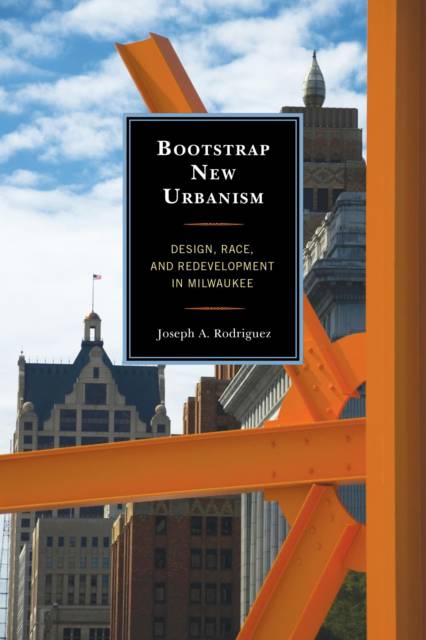
Joseph A. Rodriguez critically examines the urban design and revitalization initiatives undertaken by both the government and the people of Milwaukee, Wisconsin. In the 1990s, New Urbanists followed a city tradition of using urban design to solve problems while seeking to elevate the city's national reputation and status. While New Urbanism was not the only design element undertaken to further Milwaukee's redevelopment, the elite focus on New Urbanism reflected an attempt to fashion a self-help narrative for the revitalization of the city. This approach linked New Urbanist design to the strengthening of grassroots community organizing and volunteerism to solve urban problems. Bootstrap New Urbanism: Design, Race, and Redevelopment in Milwaukee uncovers a practice with implications for urban history, architectural history, planning history, environmental design, ethnic studies, and urban politics.
Specificaties
Betrokkenen
- Auteur(s):
- Uitgeverij:
Inhoud
- Aantal bladzijden:
- 270
- Taal:
- Engels
- Reeks:
Eigenschappen
- Productcode (EAN):
- 9780739186121
- Verschijningsdatum:
- 26/08/2014
- Uitvoering:
- Hardcover
- Formaat:
- Ongenaaid / garenloos gebonden
- Afmetingen:
- 155 mm x 231 mm
- Gewicht:
- 521 g


Alleen bij Standaard Boekhandel
+ 508 punten op je klantenkaart van Standaard Boekhandel
Cadeau

AANGERADEN


Beoordelingen
We publiceren alleen reviews die voldoen aan de voorwaarden voor reviews. Bekijk onze voorwaarden voor reviews.